Preparing for the Predictable: Why Familiar Acquisition Risks Continue to Resurface
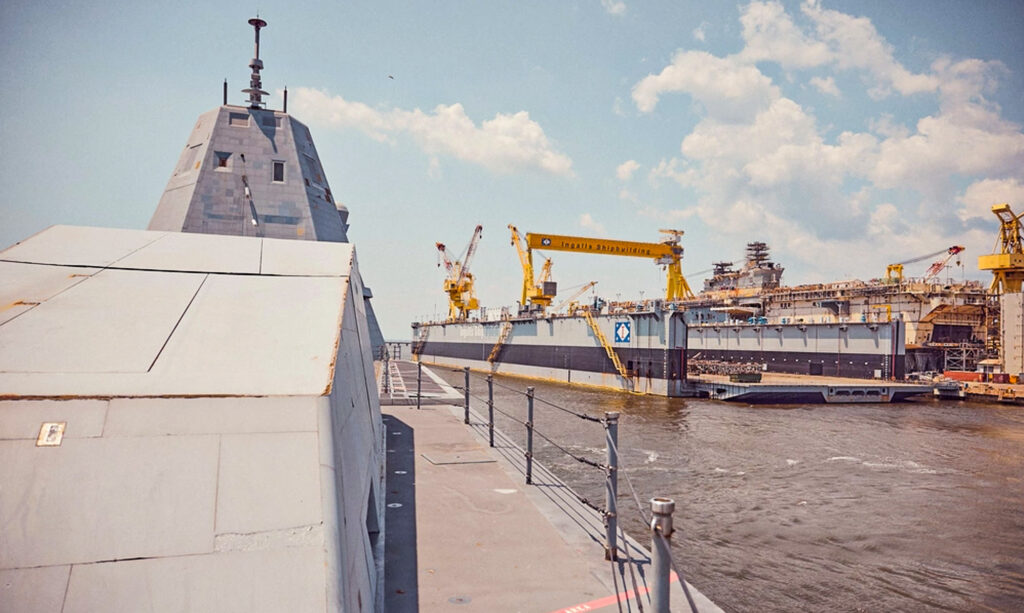
Listen to this article: 00:00 The acquisition community has spent decades studying schedule delays, cost growth, technology maturity challenges, and industrial capacity constraints. Yet many of the same issues continue to resurface across programs. If these challenges are so familiar, why do they continue to disrupt outcomes? SPA Cost Analysts Gwenevere Tirpak and Russell McCawley […]
Rethinking Maritime Prepositioning for Contested Environments
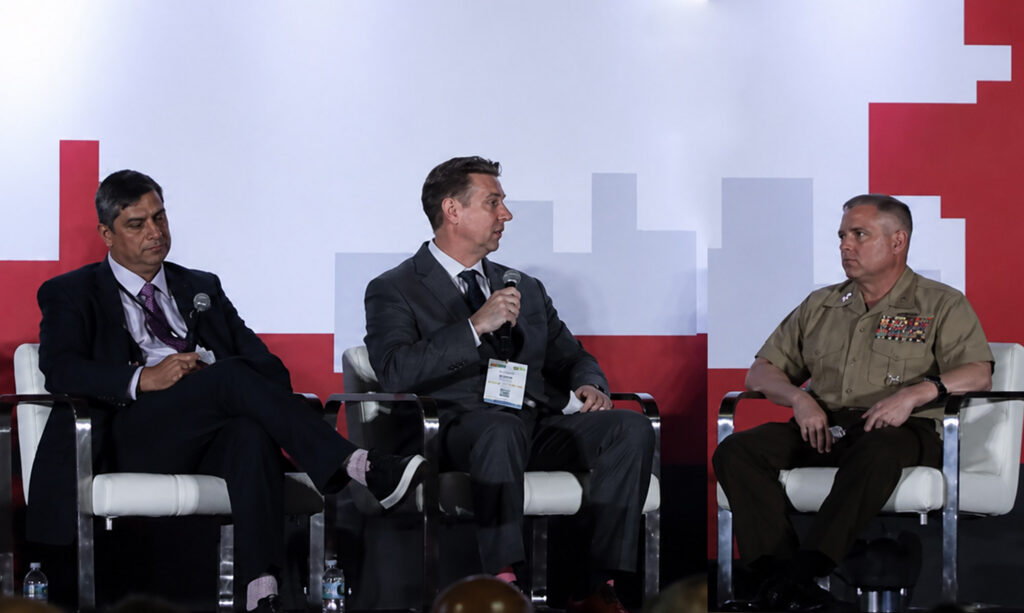
Listen to this article: 00:00 Mark Schouten, an analyst at SPA For decades, maritime prepositioning depended on a basic assumption: forces would be able to reach the ports they needed when conflict began. That assumption no longer holds. Discussions during the Maritime Prepositioning for the 21st Century panel at Modern Day Marine 2026 highlighted how […]
Gaming to Win: Expanding the Role of Digital Wargaming

Digital wargaming is gaining momentum across defense and beyond.
Closing the Gap Between Demand and Capacity in Naval Force Design
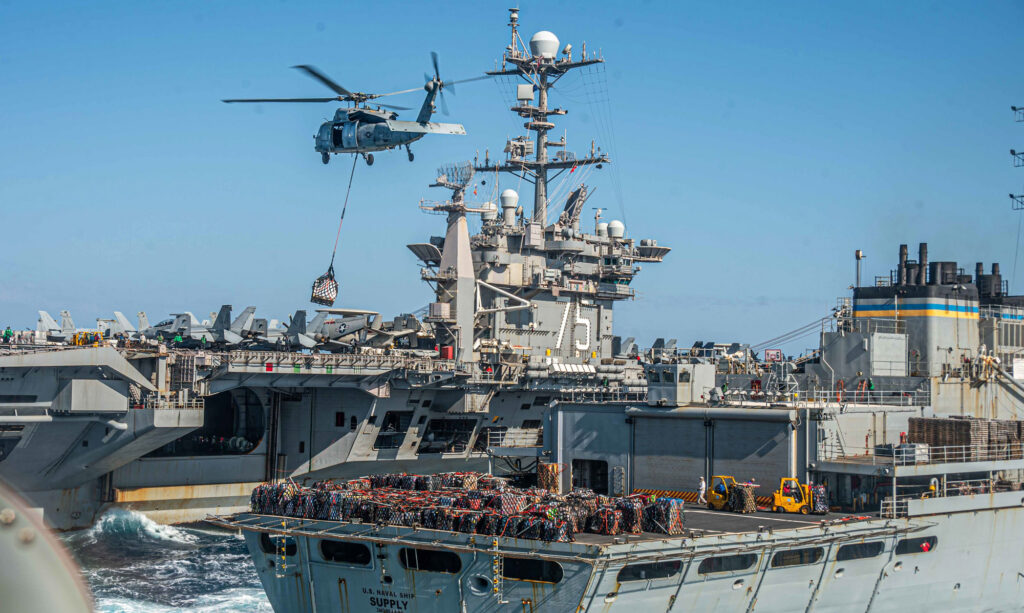
There is more demand for the Navy than the current force can meet. Today’s force is overused and as a result under-maintained.
Wargaming at the Edge of Reality: What Modern Conflict Now Demands
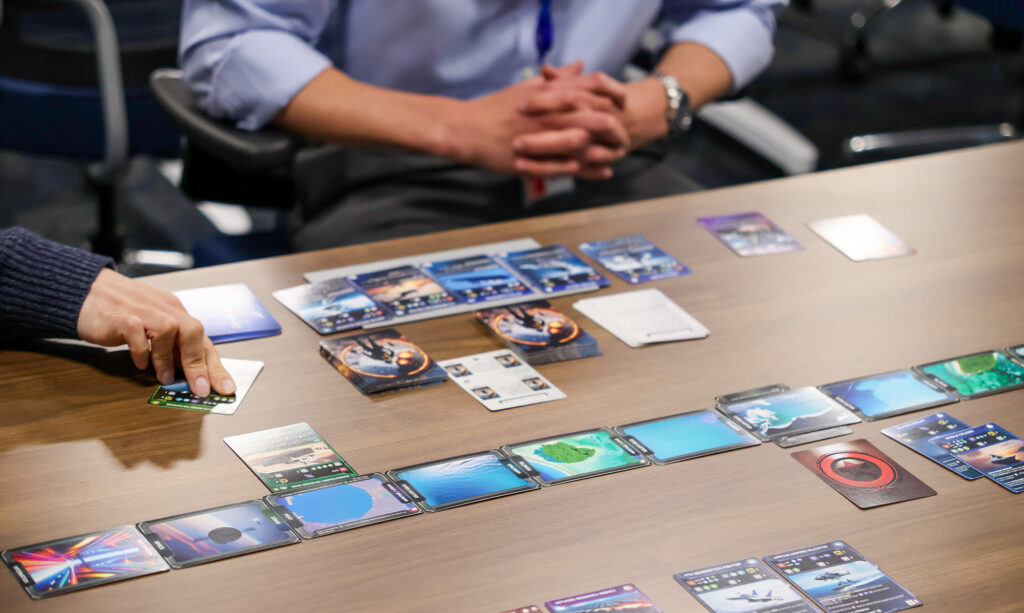
Wargaming is no longer a step removed from conflict. It is operating inside it.
Cybersecurity in 2027 and Beyond: Why Complexity Is the Real Challenge

Listen to this FOCUS: SPA Perspectives post here: 00:00 https://youtu.be/V9NYvd427yg?si=Itzehp_jrtnADnuR At WEST 2026, SPA Cyber Fellow Keegan Mills joined senior Navy and Marine Corps cyber leaders as a panelist for a discussion on “Future Cybersecurity Concepts 2027 and Beyond.” The conversation examined modernization priorities, risk management, and the accelerating pace of technological change. One reality […]
Beyond Manpower: Applying Pipeline Modeling to Emerging Defense Challenges

This is part 3 of a 3-part series. Read the previous posts here and subscribe to get the final post when it’s published.Pipeline-based thinking applies far beyond manpower. Many defense processes—from manufacturing to maintenance to modernization—follow structured sequences where timing, capacity, and decision rules shape outcomes. This post builds on earlier discussions of manpower modeling […]
Inside the Model: How Data-Driven Manpower Tools Improve Decision Options

This is part 2 of a 3-part series. Read the previous posts here and subscribe to get the final post when it’s published. Senior leaders work in an environment where decisions about force structure, training capacity, and personnel policy carry real consequences for readiness. Manpower production modeling offers a way to see how those decisions […]
How Manpower Production Modeling Strengthens Future Force Readiness

This is part 1 of a 3-part series. Read the previous posts here and subscribe to get the final post when it’s published. Readiness depends on having the right personnel with the right skills at the right time. Yet achieving that readiness is not straightforward. Recruiting, training, assignment, retraining, advancement, and retention together form an […]
Reassessing Two Risky Assumptions in US Defense Planning
Seeing Bottlenecks Before They Become Readiness Gaps One of the key benefits of modeling is early identification of bottlenecks. These bottlenecks often appear in unexpected places. Examples include: Training courses that become chokepoints due to limited instructor availability Mid-career transitions that introduce delays into mission-critical roles Assignment processes that generate mismatches between qualifications and needs […]