Rethinking Maritime Prepositioning for Contested Environments

Rethinking Maritime Prepositioning for Contested Environments

Listen to this article:

00:00
Mark Schouten, analyst at Systems Planning & Analysis
Mark Schouten, an analyst at SPA

For decades, maritime prepositioning depended on a basic assumption: forces would be able to reach the ports they needed when conflict began.

That assumption no longer holds.

Discussions during the Maritime Prepositioning for the 21st Century panel at Modern Day Marine 2026 highlighted how contested environments are reshaping long-standing assumptions around force closure, sustainment, and mobility. Moderated by Mark Schouten, an analyst at Systems Planning & Analysis (SPA), the panel brought together operational and logistics perspectives on the future of maritime prepositioning.

The challenge is no longer simply moving equipment into theater. It is ensuring forces can close, sustain, and maneuver in environments where ports, logistics networks, and access points may all be contested from the opening moments of conflict.

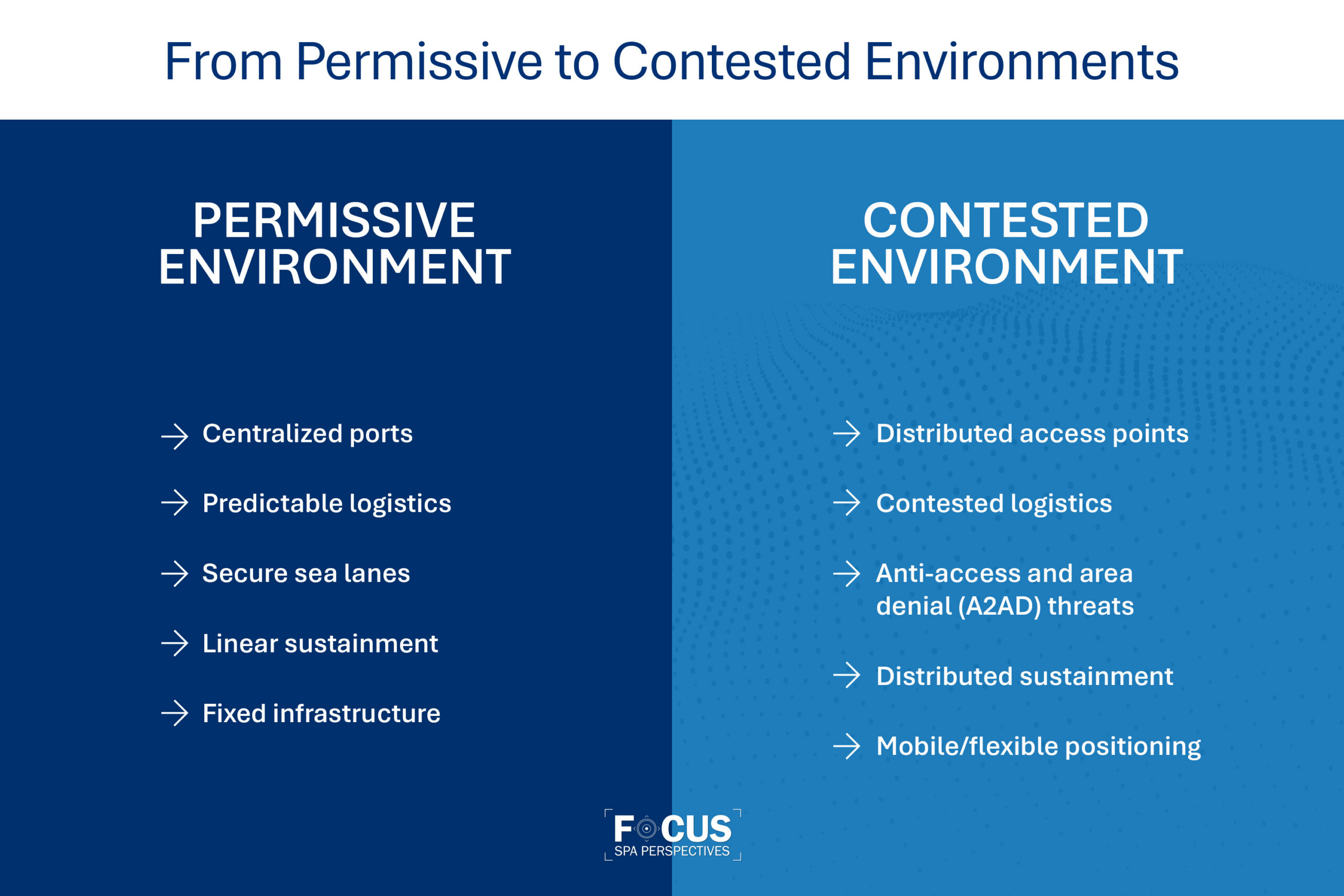
From Permissive to Contested Environments
Maritime prepositioning is shifting from centralized logistics toward distributed sustainment in contested environments.
Changing Operational Assumptions

For years, maritime prepositioning was built around permissive environments. Ships could arrive at designated ports, offload equipment, and establish combat power with relatively predictable timelines.

A recurring theme throughout the discussion was that those conditions can no longer be assumed.

Panelists emphasized that existing ships may not be able to access the ports where they are needed most during conflict. Anti-access and area denial (A2AD) challenges, combined with contested logistics and non-kinetic threats, are forcing a reassessment of how forces posture and sustain operations.

The issue is not only survivability. It is time.

Prepositioning reduces strain on strategic lift and enables forces to close more rapidly during crisis. In contested environments, that speed becomes increasingly important as commanders seek to preserve decision space and operational flexibility.


Distributed Operations and Littoral Mobility

As operational assumptions change, so too must the structure supporting maritime prepositioning.

Discussions during the panel highlighted the increasing role of shore-based prepositioning, particularly throughout the Indo-Pacific. While prepositioning ashore is not new, the scale and geographic distribution now being explored is unprecedented.

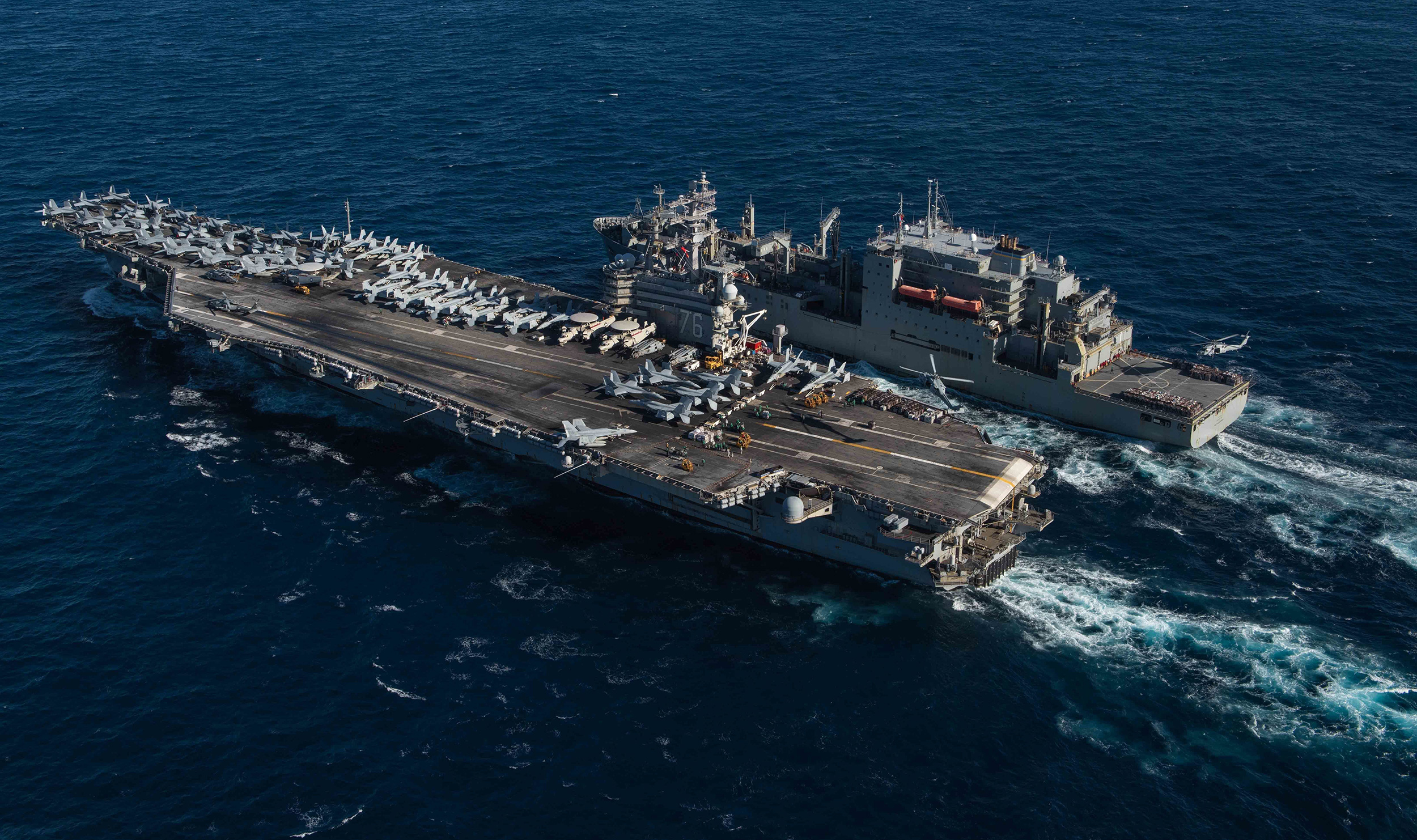
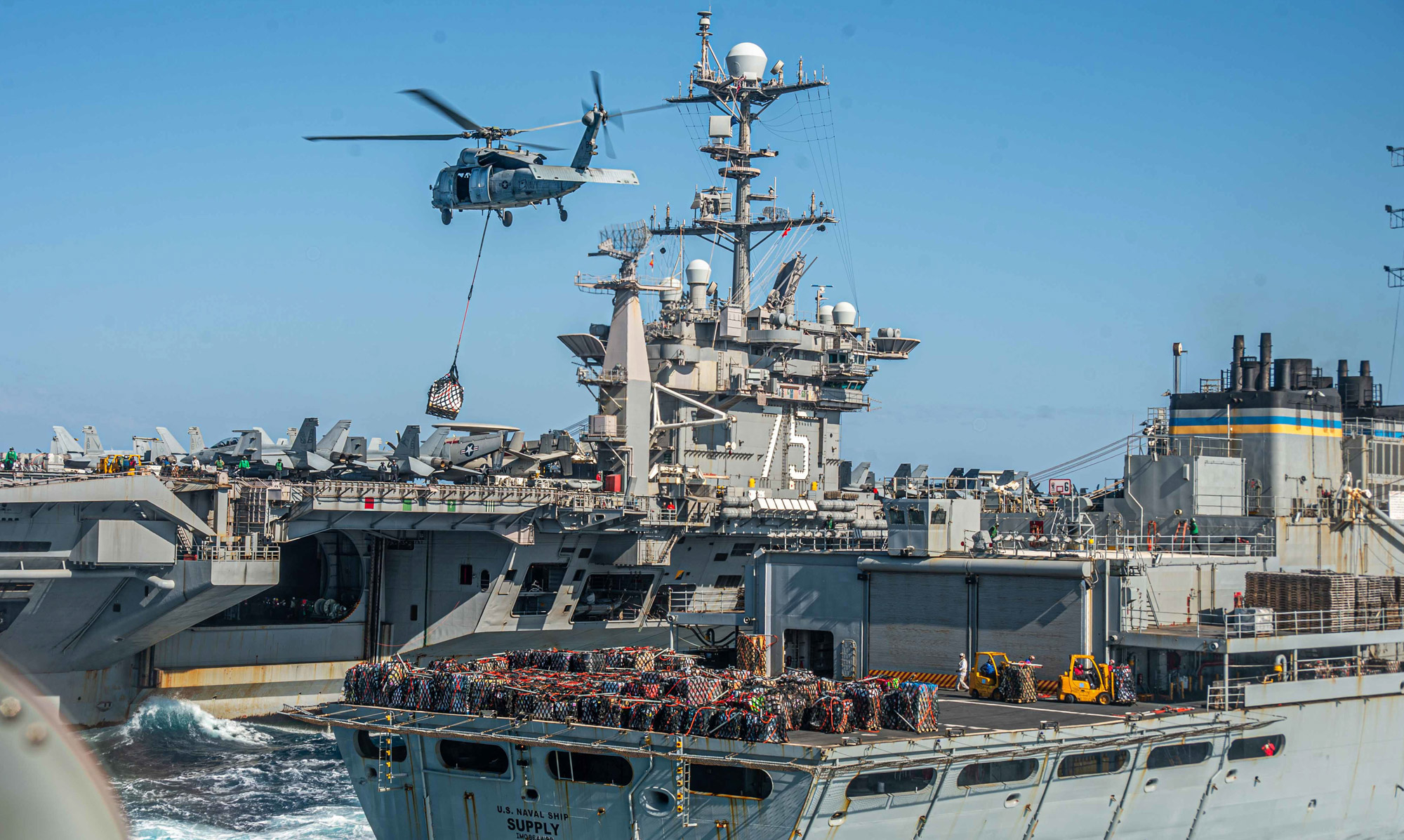
Military equipment and supplies being moved

The conversation also repeatedly returned to littoral mobility and the need for more flexible methods of moving sustainment and forces throughout contested environments.

Future operations will likely depend on a combination of maritime prepositioning, shore-based positioning, contracted support, and mobility capabilities designed to move forces across distributed areas of operation.

This places greater importance on connectors and platforms capable of operating in austere conditions. The requirement enhances capacity, flexibility, survivability, and the ability to maneuver logistics alongside the force.

Building Resilience Through Distribution

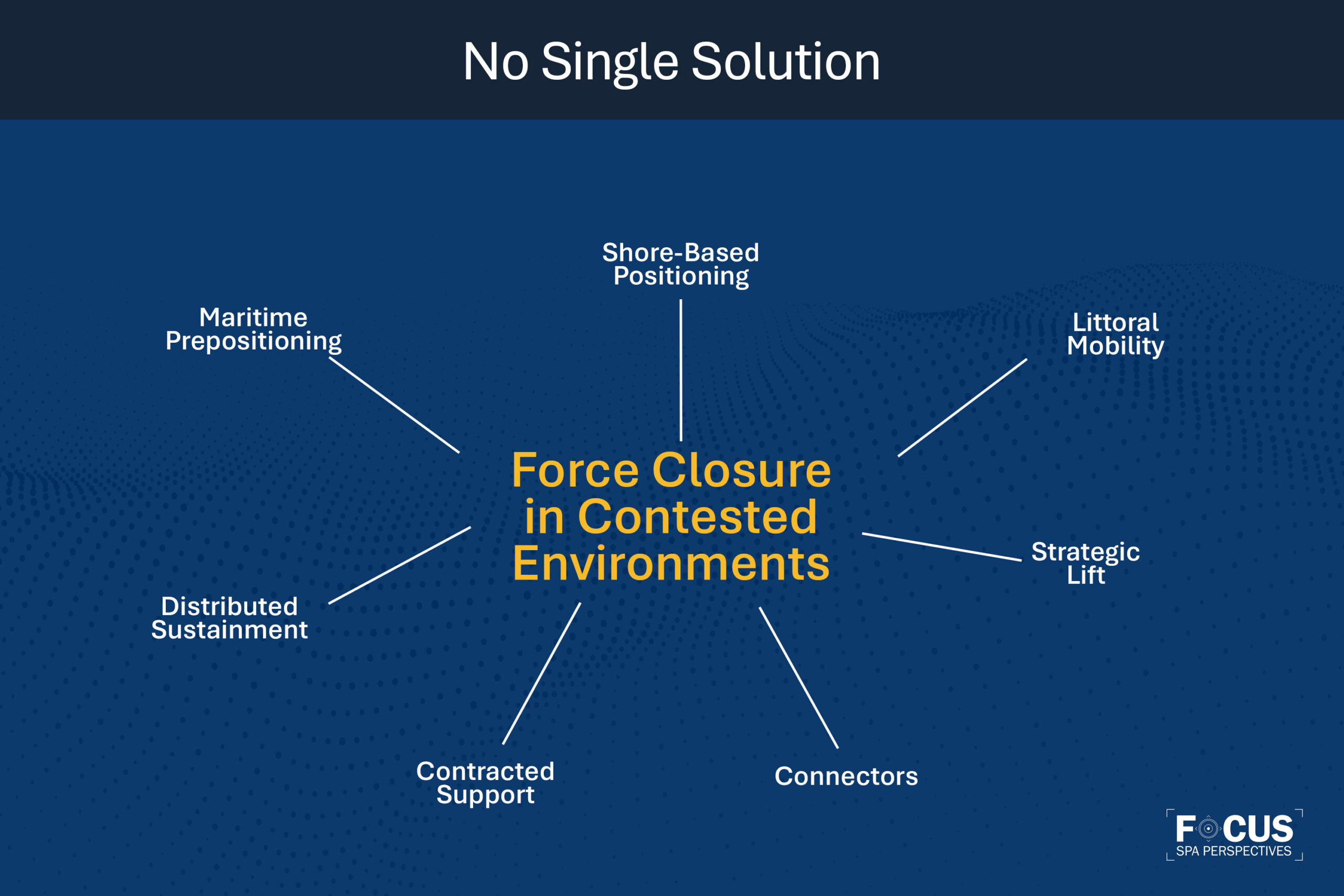
The panelists emphasized no single platform or method will solve the challenge of force closure in contested environments.

Instead, resilience will likely come through distribution.

Future force closure will likely depend on multiple interconnected approaches rather than a single platform or system.

That includes a broader mix of prepositioning methods, mobility concepts, and sustainment approaches capable of operating across contested areas while reducing dependence on a small number of vulnerable nodes or access points.

The discussion also reflected a broader operational reality: future logistics environments may require forces to adapt faster than traditional models for sustainment, deployment, and acquisition were originally designed to support.

The challenge now is around how to sustain forces in permissive environments while preserving mobility and operational endurance under persistent contestation.

No Single Solution

One conclusion surfaced repeatedly throughout the panel: no single answer currently exists for enabling maritime forces to rapidly aggregate combat-credible capability in contested environments.

Future success will likely depend on combining multiple approaches into a more resilient and distributed system.

As operational environments continue to evolve, so too must the assumptions shaping mobility, sustainment, and maritime prepositioning.

Subscribe to our newsletter

We respect your privacy.

[ Related Articles ]