Reassessing Two Risky Assumptions in US Defense Planning
Seeing Bottlenecks Before They Become Readiness Gaps
One of the key benefits of modeling is early identification of bottlenecks. These bottlenecks often appear in unexpected places.
Examples include:
- Training courses that become chokepoints due to limited instructor availability
- Mid-career transitions that introduce delays into mission-critical roles
- Assignment processes that generate mismatches between qualifications and needs
- Retraining programs that create long queues during demand spikes
Watson notes that modeling helps reveal “training blockages, shortfalls, retention issues—whatever slows the system down.” This visibility allows leaders to focus on the most critical constraint rather than spreading resources across all stages equally.
The benefit is anticipatory decision making. If the model shows that training demand will exceed capacity two years from now, leaders can explore options early rather than reacting after readiness declines.
Periods of uncontested dominance leave marks that are hard to see but deeply felt. For the US military, decades of superiority have shaped expectations about how wars begin, how they unfold, and how they are sustained. Those expectations have become assumptions—powerful ones—that shape planning and posture in ways that may not hold under the stress of great power competition.
Two of those assumptions deserve particular scrutiny. The first is that US forces can seamlessly shift from deterrence to combat operations within the first island chain, which stretches from Japan through Taiwan and the Philippines down to Borneo, forming the front edge of Asia facing the Pacific. The second is that the lines of communication supporting those forward forces will remain open long enough to

These are not arguments against forward presence. They are reminders that posture and planning must reflect analytical reality, not inherited confidence. The lessons of history—and the demands of the present—suggest that resilience, mobility, and sustainment must be tested as rigorously as strategy itself.
A strategy shaped by instinct and tradition must yield to strategy grounded in analysis.
As I noted in my War on the Rocks article, “Two Dangerous Assumptions in US Defense Planning and How to Fix Them,” those same blind spots once shaped interwar debates at the US Naval War College. Then, as now, wargaming and analysis revealed that the most instinctive course of action—the “through ticket” straight to the fight—was not the most achievable. The same discipline of questioning assumptions must guide today’s defense planning.
The Enduring Challenge of Forward Posture
Today’s forward-stationed forces in Japan, South Korea, and Guam are critical to deterrence and alliance assurance. Yet their mobility, protection, and sustainment requirements must be reassessed in light of peer-level competition with China. A resilient force posture is not defined by scale alone—it depends on realistic assessments of lift, logistics, and survivability.
In the interwar period, US planners tested their own assumptions through extensive wargaming, ultimately producing a balanced approach to the Pacific campaign. That discipline, combining analytical rigor with operational imagination, is needed again. A strategy based on wishful thinking risks producing plans that fail under stress.
Lessons from History and the Modern Parallel
During the lead-up to World War II, US forces in the Philippines were undermanned, underequipped, and reliant on supply lines that collapsed within weeks. The underlying error was analytical: planners overestimated capacity and underestimated risk. The same dynamic threatens today’s planning for the Indo-Pacific.
China’s military is not an emerging competitor—it is a peer. Yet too many planning constructs still assume overmatch. Reinforcement of forward bases in a contested environment will be slow, costly, and uncertain. Without an honest accounting of lift assets, sealift availability, and air mobility constraints, US strategy could again rely on forces that cannot be sustained.
The issue is not simply numbers of ships or aircraft. It is the structure of the force and the realism of the plan. Bounding assumptions on time, distance, throughput, and resilience creates the conditions for innovation. The Washington Naval Treaty’s constraints on Pacific fortifications inadvertently forced new thinking about mobile bases and logistics. Similar discipline today could spur modern equivalents: distributed sustainment, prepositioned capabilities, and resilient networks for joint operations.
Getting the Strategy Right
Recent service strategies, such as Army Pacific’s positional advantage concept and the Marine Corps’ Pacific Marines Strategy 2025, seek to strengthen deterrence in the first island chain. Yet planners must ask what combat power these forward formations truly deliver at the outset of conflict. Can two Marine expeditionary forces, given mobility shortfalls and limited amphibious readiness, be delivered and sustained in time? And if they can, do they provide the most relevant combat capability within joint constraints?
Force posture decisions should be tested against real lift capacity, readiness rates, and the tradeoffs inherent in a globally committed force. The question should not be how much can be deployed, but how much can be employed effectively.
The question should not be how much can be deployed, but how much can be employed effectively.
Smaller, distributed, and mobile stand-in forces such as Marine littoral regiments, offer a promising model. These units are designed to be survivable, networked, and integrated across domains. They can provide sensing, fire, and cyber capabilities that complicate adversary targeting and enhance joint force effectiveness. Importantly, their value lies in agility and endurance, not in mass.
The Role of Analysis
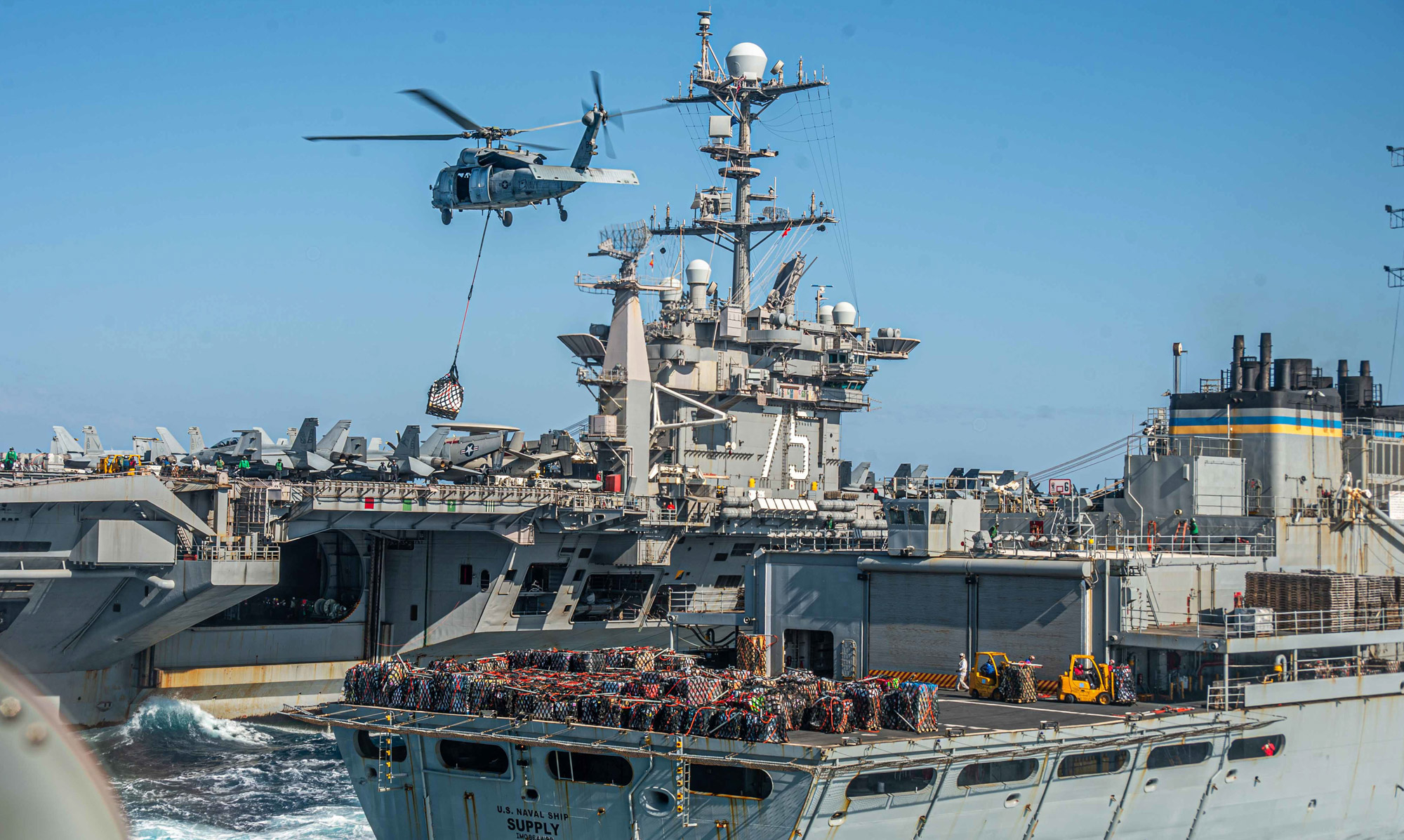
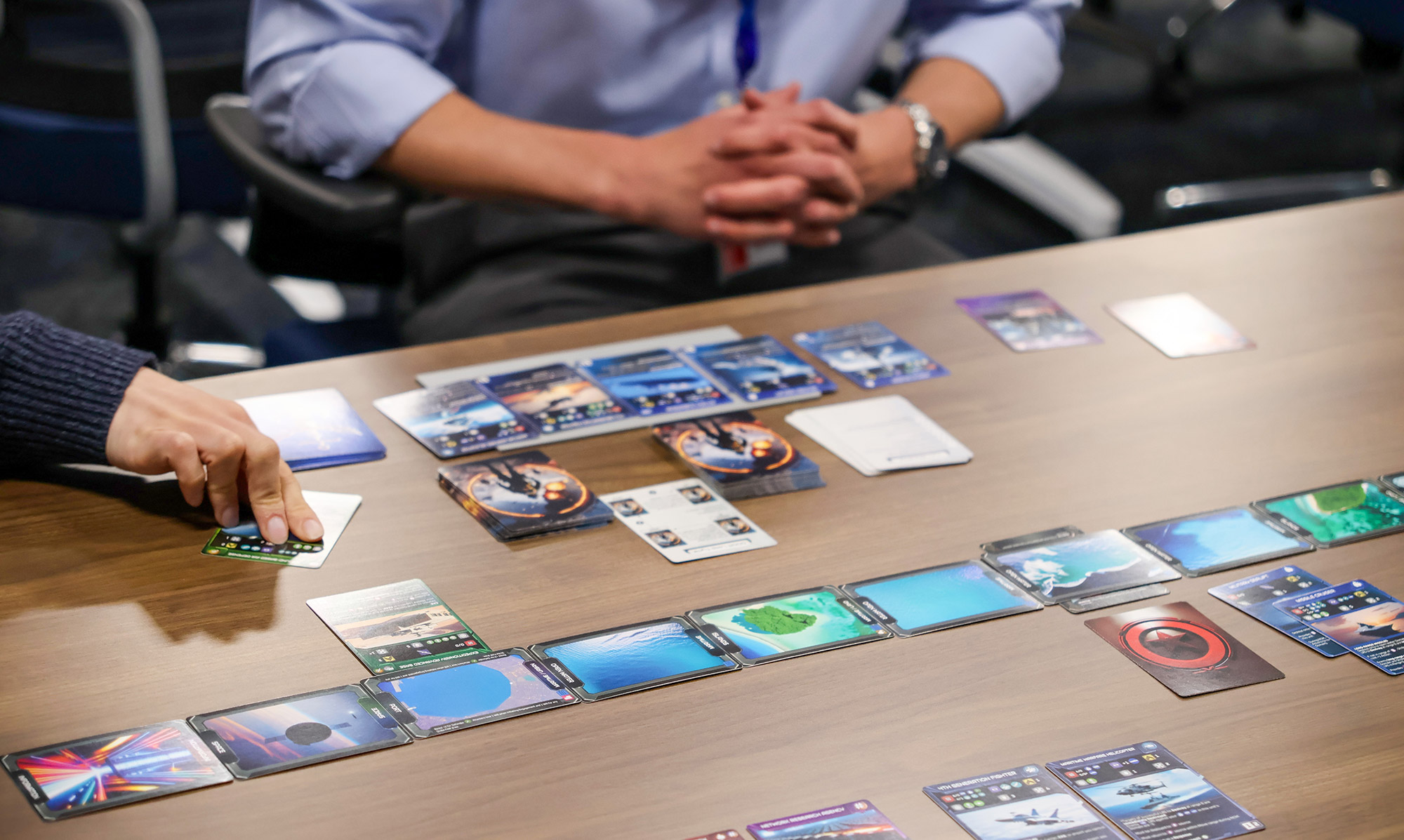
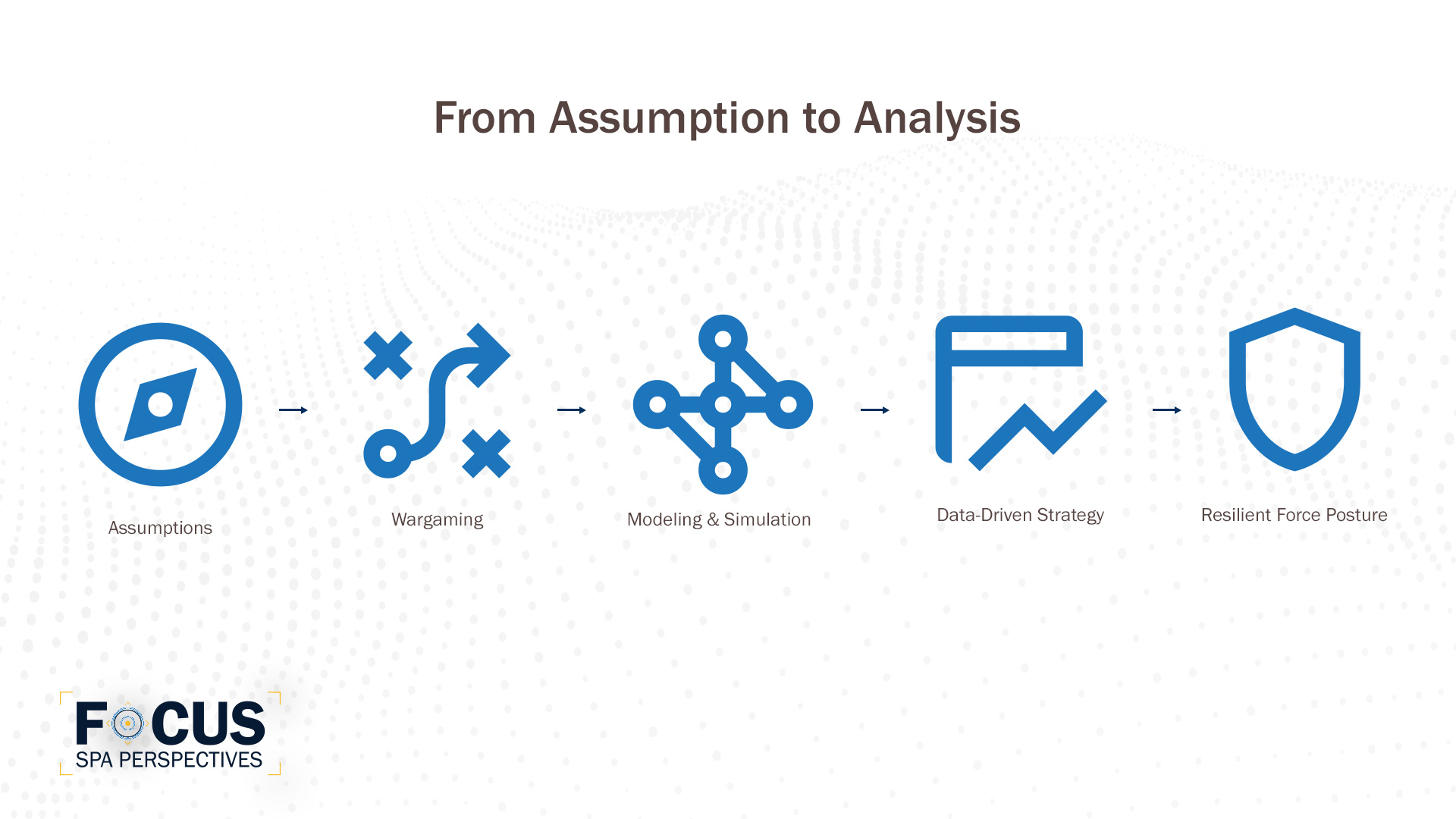
Deterrence and warfighting both depend on credible, achievable plans. That credibility comes from analysis: wargaming, modeling, and simulation that challenge assumptions about timing, mobility, and sustainment. These tools allow planners to explore the physical realities of conflict: how fast forces can move, how much fuel and ammunition they need, and how long they can survive without resupply.
Modern analytical methods can help avoid “through-ticket” thinking—the belief that forward presence alone guarantees success. Instead, planners can explore “local-ticket” approaches, where surge forces advance incrementally through secured positions, building tempo and resilience along the way.
The Way Forward
History shows that the US military performs best when its planning is grounded in rigorous analysis.
Before World War II, that analysis produced a strategy that acknowledged constraints and leveraged innovation. Five years later, at the start of the Korean War, failure to question assumptions led to Task Force Smith’s destruction. The difference between those outcomes was analytical rigor.
Today, we must ask the same hard questions: Are our forward forces survivable? Are our logistics networks resilient? Are we designing concepts of employment that work within the real capacity of our sealift, airlift, and sustainment systems?
These are not questions of optimism or pessimism—they are questions of preparedness. A realistic, analytically informed strategy can strengthen deterrence, sustain operations in crisis, and ensure US forces remain both effective and credible in the Indo-Pacific.
At SPA, our work supports that kind of planning discipline. Through advanced modeling, simulation, and operational analysis, we help defense leaders quantify risk, identify capability gaps, and refine force design. Assumptions are unavoidable. But when examined rigorously, they become the foundation for sound strategy, rather than its undoing.
Read more from Noel Williams on FOCUS: SPA Perspectives.
Subscribe to our newsletter
We respect your privacy.
[ Related Articles ]