Space Warfare: How the U.S. Can Stay Ahead in the Orbital Arms Race

Space Warfare: How the U.S. Can Stay Ahead in the Orbital Arms Race
This is part 2 of a 4-part series.

Read the previous posts here and subscribe to get the final post when it’s published.

From Congested Orbits to Contested Battlespace

The space domain has transformed in scale, scope, and strategic consequence. What once was a benign operational backdrop is now a contested warfighting domain. China and Russia continue to develop and demonstrate counterspace weapons—from direct-ascent ASATs and co-orbital platforms to jammers and directed energy systems—explicitly designed to undermine U.S. freedom of action in space.

“There’s a lot going on up there… of various sizes, different orbital regimes, and operated often by adversaries as well as ourselves,” said Dave Meteyer, Group Leader in the Space & Intelligence Division at Systems Planning & Analysis (SPA).

The Strategic Shift: From Deterrence to Denial and Resilience

For decades, U.S. space capabilities operated with near-total freedom. That era is over. Adversaries are building capabilities designed to degrade, deny, or destroy the very systems that underpin joint warfighting—ISR, communications, PNT, and missile warning.

SPA branding element for a quotation, a yellow square with a midnight blue quotation mark
“For many decades, space-based capabilities operated without adversary impact. That’s no longer the case.”

Dave Meteyer, SPA Group Leader in the Space & Intelligence Division

Traditional deterrence—based on retaliatory threat—is less effective in space. Instead, deterrence must be built through denial and resilience: systems that are distributed, reconstitutable, and survivable under attack.

Decision-makers must shift from platform-centric investments to threat-informed architectures that assume contested conditions. Meteyer emphasized the need to conduct:

From Threat Modeling to Concept Development

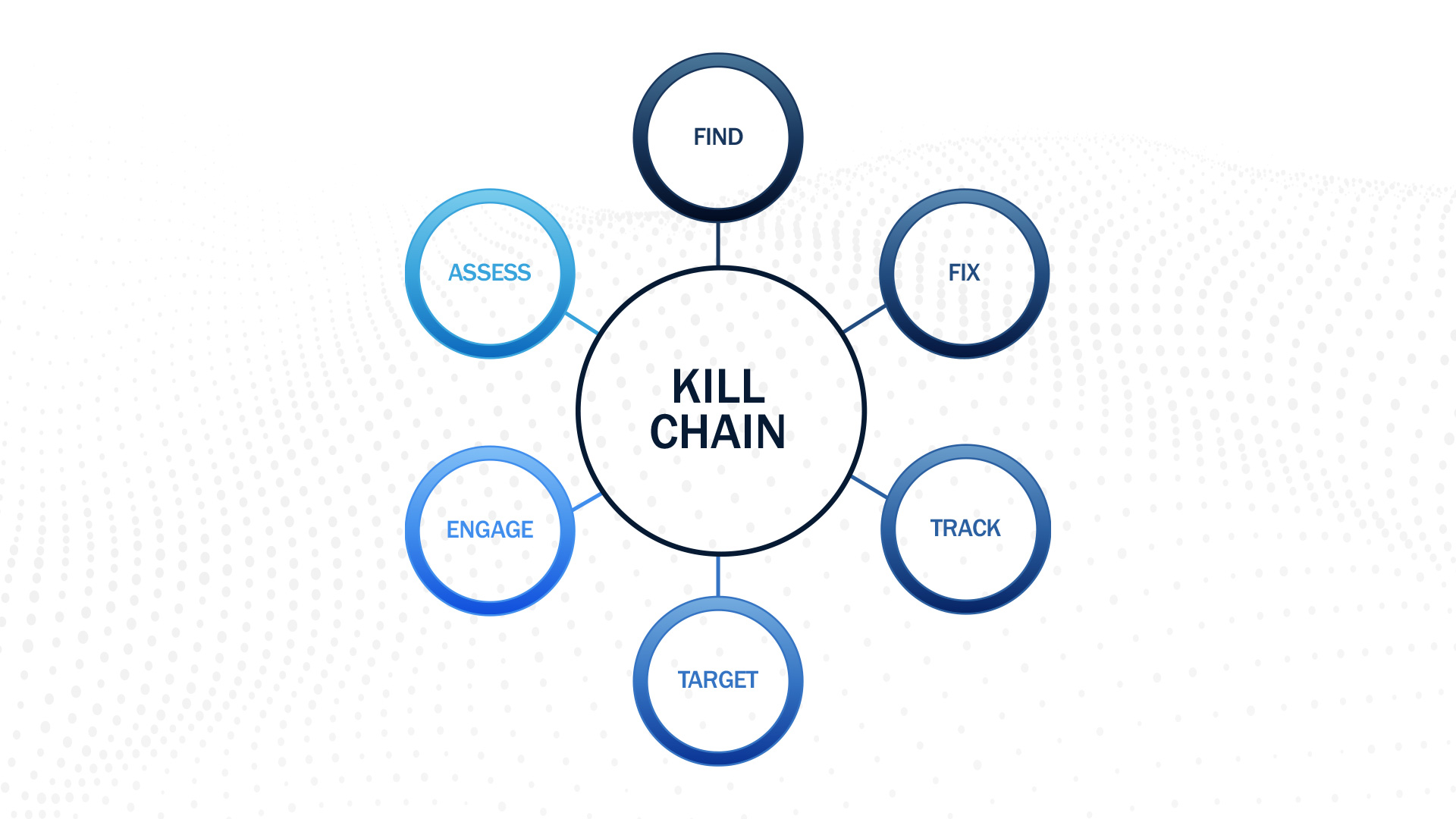
Understanding adversary kill chains, anticipating maneuver and attack profiles, and modeling survivability across orbits and operational tempos are not academic exercises—they are foundational to capability design.

This work shapes:

  • Concepts of operation that reflect threat timelines
  • Architectural tradeoffs that balance survivability and persistence
  • Design decisions that prioritize mission assurance over legacy standards

These approaches ensure the U.S. is not just reacting to adversary innovation—but staying ahead of it.
Adversaries don’t target satellites in isolation—they aim to disrupt the broader kill web. As Meteyer noted, “Space superiority often enhances warfighting capabilities in the other domains.”

Space-based effects like GPS, ISR (intelligence, surveillance, and reconnaissance), and comms are tightly coupled to mission success across land, sea, air, and cyber. Degrading these services at critical moments could delay strike operations, sever C2 links, or blind sensor networks.

Protecting these dependencies must be part of every joint planner’s playbook.

Operational Example: Defending the Satellite Kill Chain

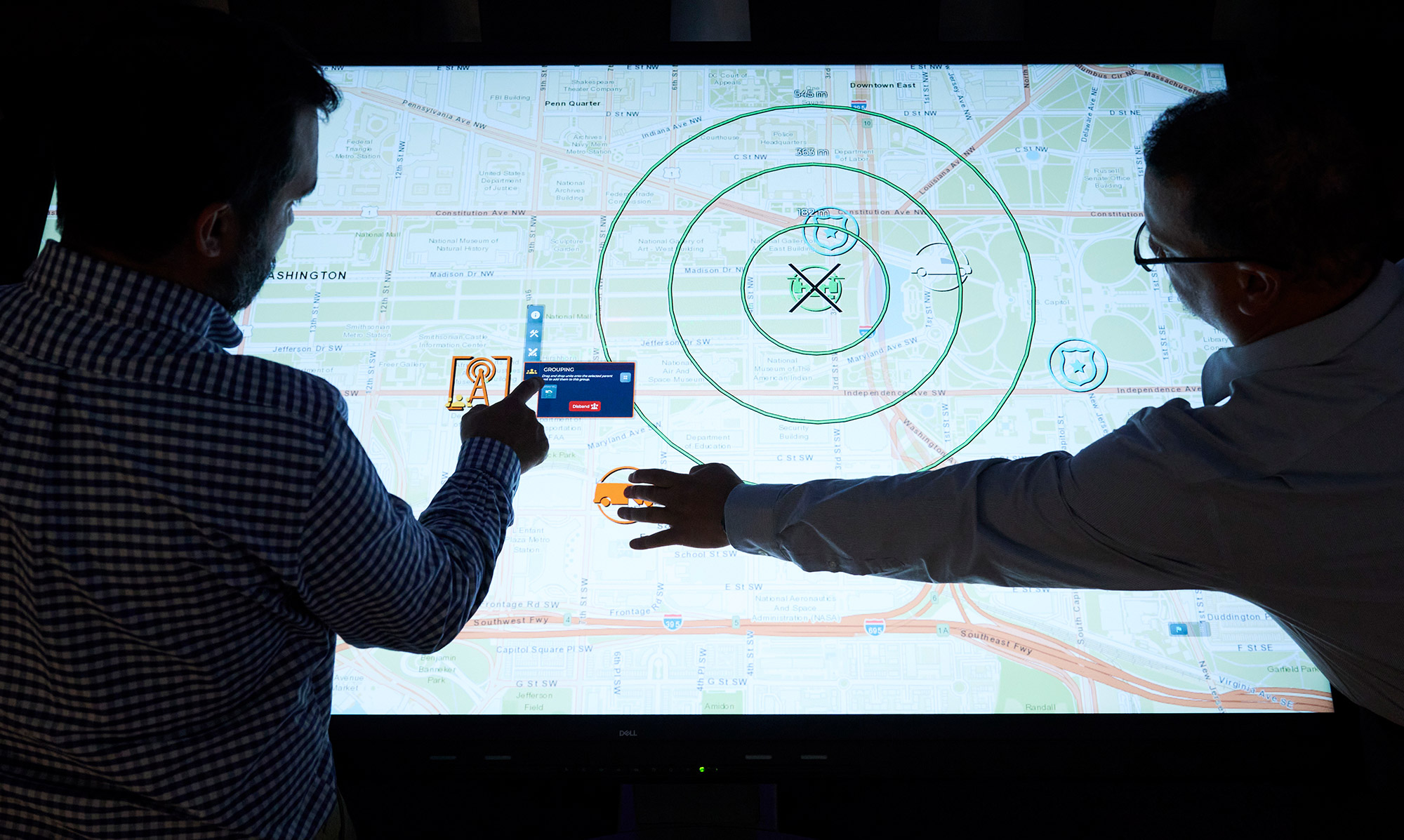
In one operational modeling scenario, SPA analysts worked with planners on a red/blue force simulation to evaluate how adversary co-orbital systems might shadow high-value satellites. The exercise revealed maneuver thresholds, comms blackout risks, and timing shortfalls that informed a shift toward more disaggregated, orbitally diverse architectures. These insights translated directly into updated CONOPS, capability gap identification, and force design adjustments.

By shifting validation earlier, modeling reduces rework, compresses development timelines, and increases decision confidence. In an environment where launch or orbital failure can wipe out years of planning, simulation is not optional—it is essential.

01
Fund Warfighting Space Architectures
  • Prioritize capabilities that preserve key space services and hold adversary systems at risk under contested conditions
02
Accelerate Threat-Informed Concept Development
  • Institutionalize the role of concept development centers like Space Futures Command and link their outputs to planning and acquisition timelines
03

Institutionalize Space Effects into Joint Planning

  • Build robust space degradation scenarios into joint exercises and operational plans; assign analytic and operational support to COCOM planning staffs

04

Strengthen Analytical Infrastructure

  • Expand investment in next-gen modeling tools, threat libraries, and warfighting simulation environments to support informed architectural tradeoffs
We Must Stay Ahead of the Threat

We are no longer preparing for a space threat—we are operating inside one. Counterspace capabilities are here, evolving, and targeting the systems that underpin our joint advantage. Failure to respond—conceptually and operationally—will leave the U.S. vulnerable in every domain that depends on space.

As Meteyer underscored, “It’s a balanced approach… we need to be able to field systems to maintain space superiority while simultaneously preserving the critical space capabilities our sister services rely upon.”

In our next post, we examine how the Space Force ensures readiness before launch—through high-fidelity simulation, digital validation, and architectural foresight. Then we will conclude the series by looking at how the U.S. can operationalize the Space Force’s mission to act in, from, and to space.

Post 1: Operating in a Contested Orbit: Why Culture and Doctrine Are Key Elements of Space Superiority

Post 2: Space Warfare: How the U.S. Can Stay Ahead in the Orbital Arms Race

Don’t miss a post in this series—subscribe today to be informed of them all.

Share
Subscribe to our newsletter

We respect your privacy.

[ Related Articles ]