What Questions Are Wargames Designed to Answer?

What Questions Are Wargames Designed to Answer?

Listen to this article:

00:00
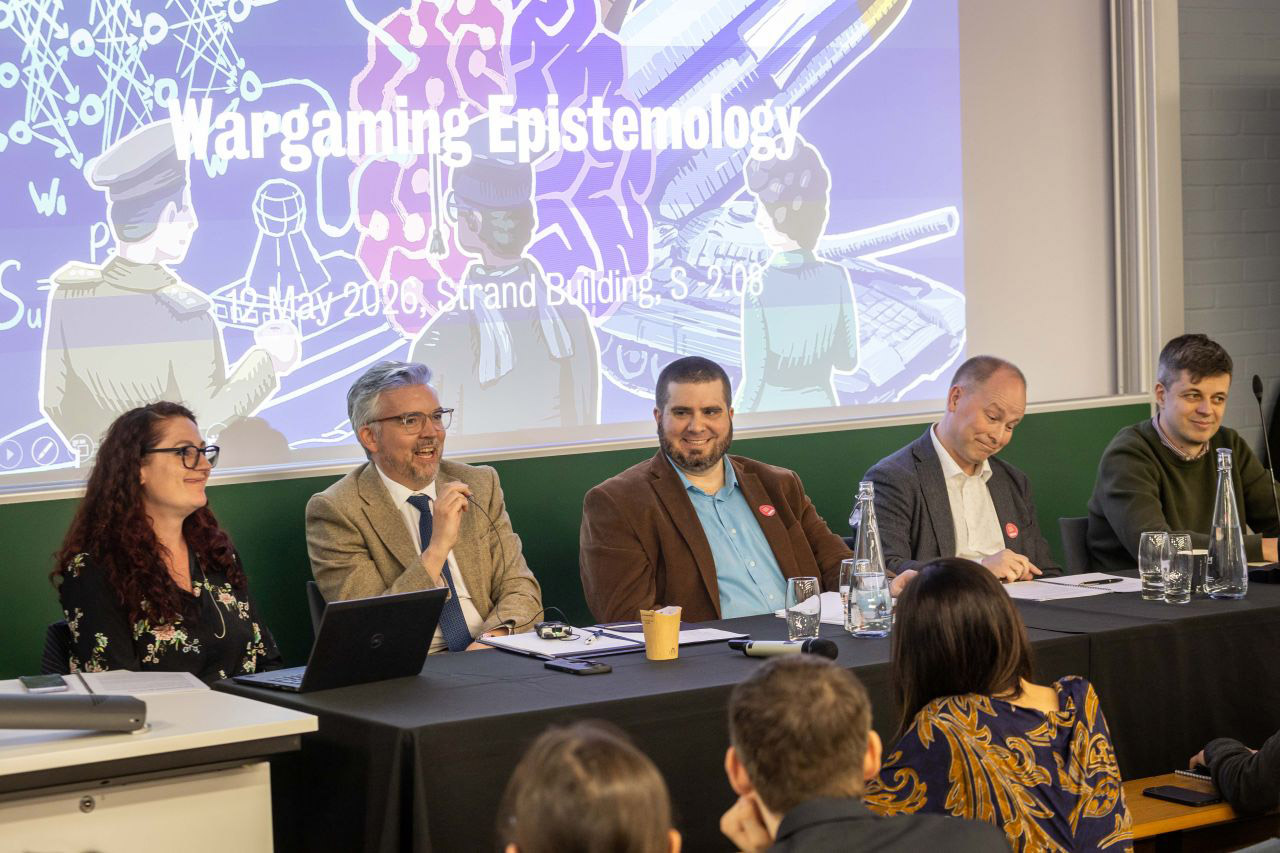
SPA Military Operations Analyst Paul Bussard, with Group W in SPA's Joint, OSW, Interagency Division, participated in discussions on analytic rigor and the role of wargaming during King's Wargaming Week 2026 at King's College London
SPA Military Operations Analyst Paul Bussard, center, with Group W in SPA's Joint, OSW, Interagency Division, participated in discussions on analytic rigor and the role of wargaming during King's Wargaming Week 2026 at King's College London.

A simulation and a wargame may examine the same problem. They are unlikely to answer the same question.

That distinction becomes increasingly important as organizations use analysis to inform force design, operational concepts, capability development, and strategic planning. Different analytical methods produce different kinds of insight, and selecting the wrong approach can produce answers to questions nobody intended to ask.

For Paul Bussard, a Military Operations Analyst at SPA specializing in wargame analysis and design, the conversation begins with a fundamental question: What are decision-makers trying to learn?

Questions surrounding analytic rigor, methodology, and knowledge generation surfaced repeatedly this year during engagements at King’s Wargaming Week and the Military Operations Research Society Symposium, where researchers, practitioners, and analysts examined the role wargaming plays alongside simulations, exercises, and other analytical methods.

The conversation ultimately returns to a simpler question than whether an organization needs a wargame, simulation, or exercise. Every analytical method represents a different way of generating knowledge. The challenge is understanding what decision-makers are trying to learn and selecting the approach best suited to answer that question.

SPA branding element for a quotation, a yellow square with a midnight blue quotation mark
“The first question isn’t whether you need a wargame. The first question is what you’re trying to learn.”

Paul Bussard, SPA Military Operations Analyst

The answer often determines the analytical approach that follows and the type of insight it ultimately produces.

Understanding develops in stages, moving from initial uncertainty toward deeper comprehension. Each step in the research process provides the foundation for the next.

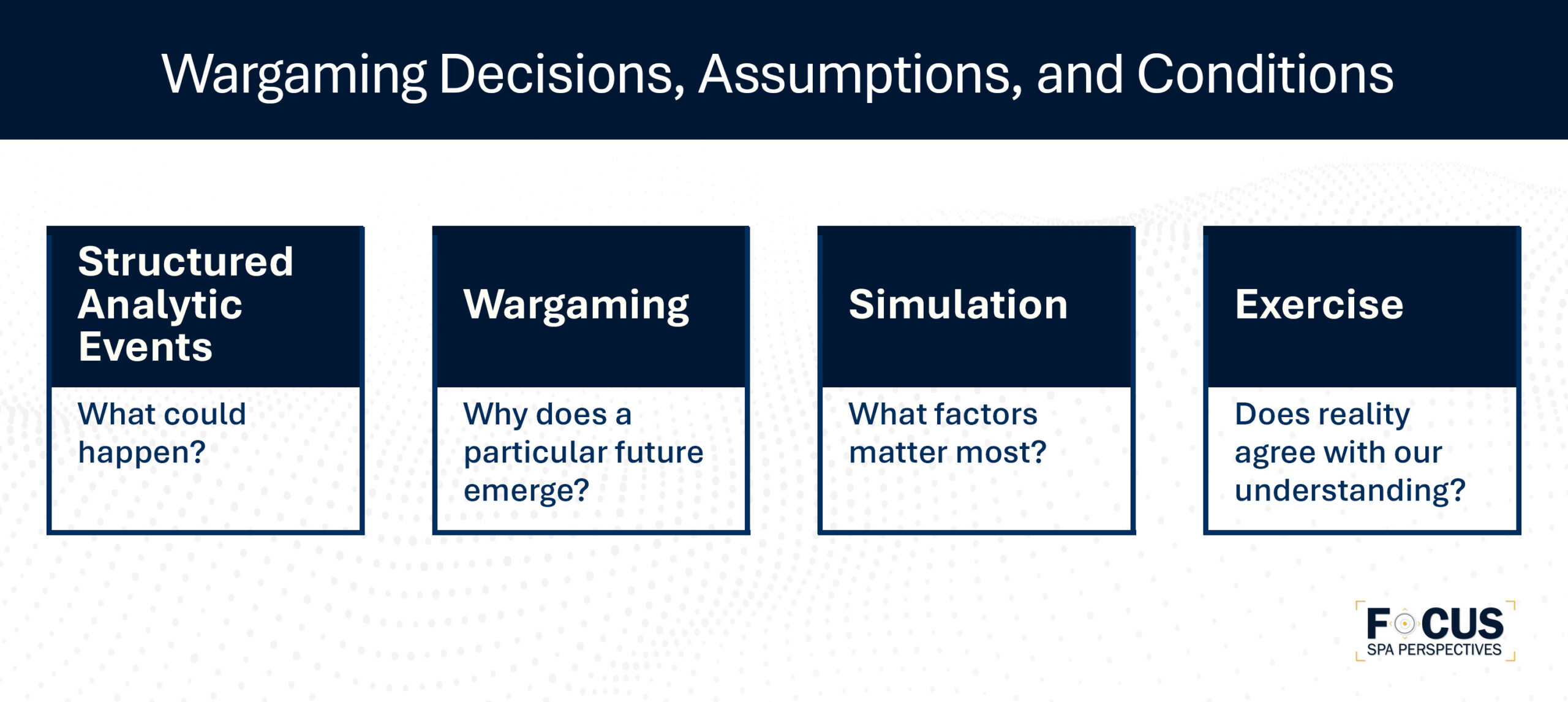
Workshops and structured analytic events explore possibilities and assumptions. Simulations examine relationships between systems and identify the factors most likely to influence outcomes. Exercises determine whether concepts and plans hold up under operational conditions.

Analytic wargaming occupies a different place in that process.

Rather than focusing exclusively on what could happen, analytic wargaming examines why events unfold the way they do and what decisions, assumptions, and conditions contribute to those outcomes.

That distinction becomes particularly important when studying problems where human decision-making influences results as much as technologies, capabilities, or force structure.

Research wargaming provides a way to study human decision-making and operational systems together, recognizing that each continuously shapes the other.

Participants operate within a structured representation of a real-world problem and make decisions as the scenario develops. Analysts observe the decisions that are made, the assumptions behind them, and the consequences that follow. The resulting analysis provides insight into the causal relationships that shaped the outcome and identifies questions that deserve additional examination.

Those observations often become the starting point for the next phase of analysis rather than the end of it.

Insights from a wargame should inform subsequent modeling and simulation efforts. Quantitative analysis can identify sensitivities that warrant further investigation, while exercises validate assumptions that surfaced during gameplay or reveal where understanding remains incomplete.

Viewed together, these activities form a broader analytical effort rather than competing approaches to the same problem.

At SPA, that broader analytical approach sits at the center of Mission and Operations Research Analysis, where digital wargaming, campaign analysis, and modeling and simulation become part of a connected analytical effort rather than separate activities.
Explore the Capability

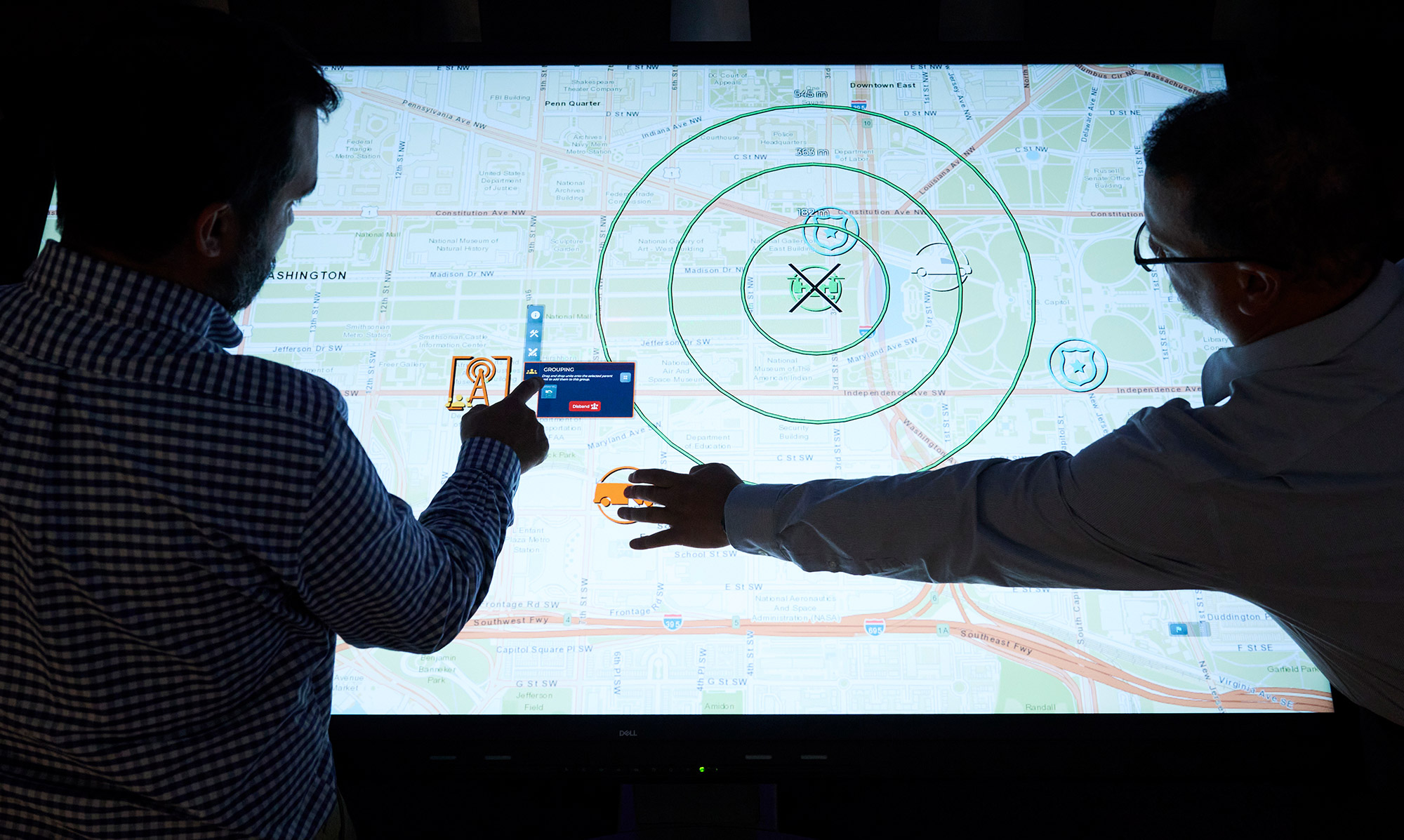
Mission and Operations Research Analysis equips decision-makers with the clarity and foresight required to make critical decisions in complex environments through digital wargaming, modeling and simulation, and rigorous analytical methods.

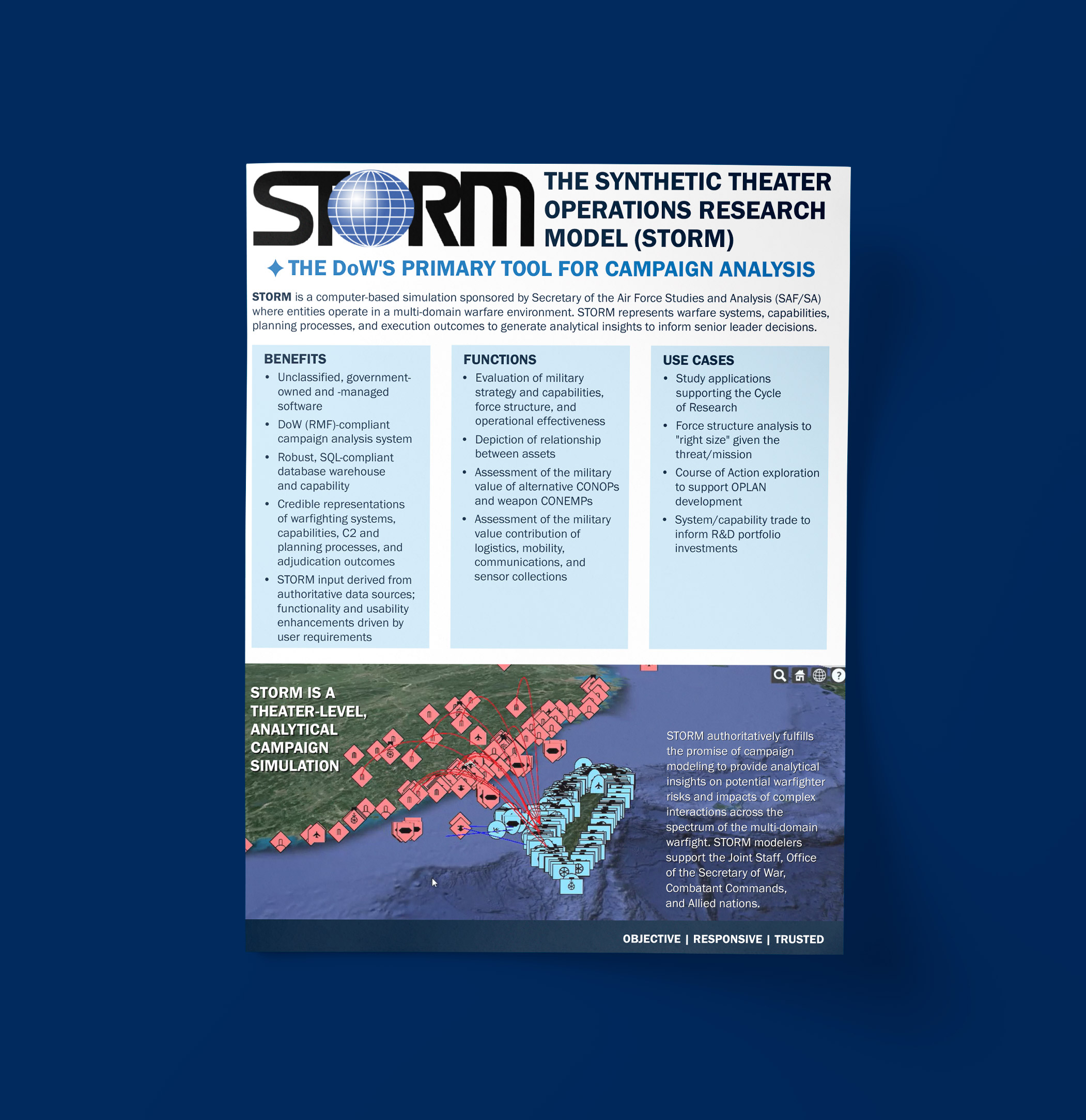
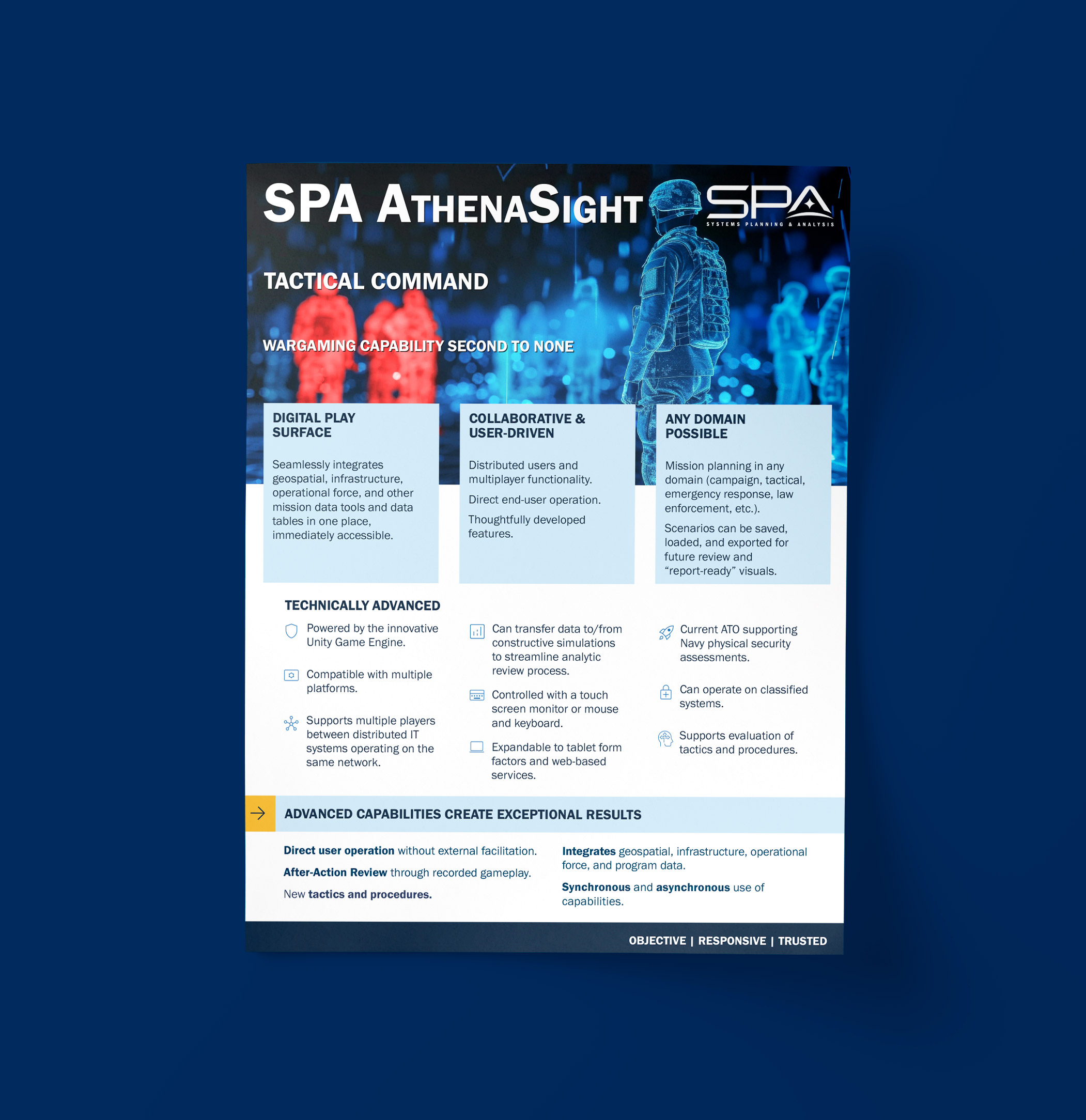
Digital wargaming plays an important role within that work by allowing organizations to explore strategies in scenario-driven environments, accelerate iteration, sharpen analytical focus, and reduce reliance on lengthy alternatives. Technologies such as the SPA-developed STORM and SWIFT extend those capabilities through digital wargaming, while STORM provides advanced simulation for campaign analysis. Together with AthenaSight™, they create opportunities to connect human decision-making with broader analytical efforts.

Related Technologies

SPA STORM SWIFT Data Sheet Thumbnail download
STORM-SWIFT: Campaign analysis, simulation, digital wargaming, and decision capture
AthenaSight Data Sheet thumbnail
AthenaSight: Collaborative operational and tactical wargaming and planning

Digital environments also create opportunities to preserve decisions, capture assumptions, revisit inflection points, and build more defensible analytical conclusions over time.

The technologies continue to evolve.

The questions driving the analysis remain remarkably consistent.

  • What is possible?
  • Why does a particular future emerge?
  • Which factors shape that outcome?
  • How can organizations influence those outcomes?

Answering those questions begins with understanding what decision-makers are trying to learn. The answer often determines not only the analytical approach that follows, but the kind of insight that analysis ultimately produces.

Related Perspective

Gaming to Win: Expanding the Role of Digital Wargaming

Explore how digital environments continue to expand the role of wargaming and accelerate analysis across increasingly complex mission spaces.

Share

Paul Bussard is a Military Operations Analyst with Group W, part of SPA’s Joint, OSW, Interagency Division, whose work focuses on wargame analysis and design. His research explores the epistemological validity of analytic wargaming and the role wargames play in generating meaningful insight for decision-makers.

In this article:

Subscribe to our newsletter

We respect your privacy.

[ Related Articles ]