Closing the Gap Between Demand and Capacity in Naval Force Design

Closing the Gap Between Demand and Capacity in Naval Force Design
album-art
00:00

There is more demand for the Navy than the current force can meet. Today’s force is overused and as a result under-maintained.

SPA's Trip Barber presents at Sea-Air-Space 2026

As discussed at Sea Air Space 2026, Arthur “Trip” Barber, SPA Chief Analyst, emphasized the challenge is not only fleet size, but how much of that fleet is ready to operate.

Demand and Availability

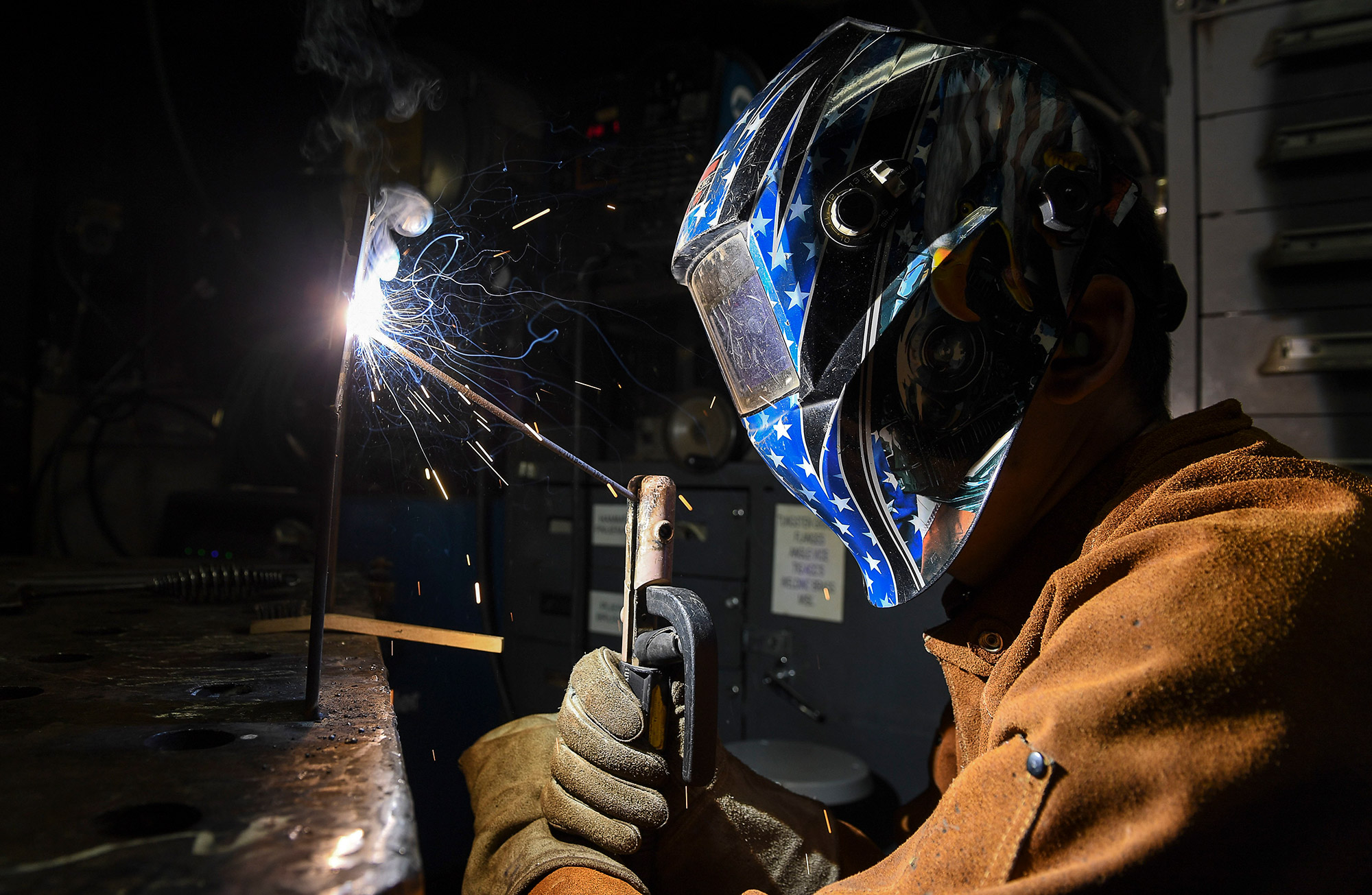
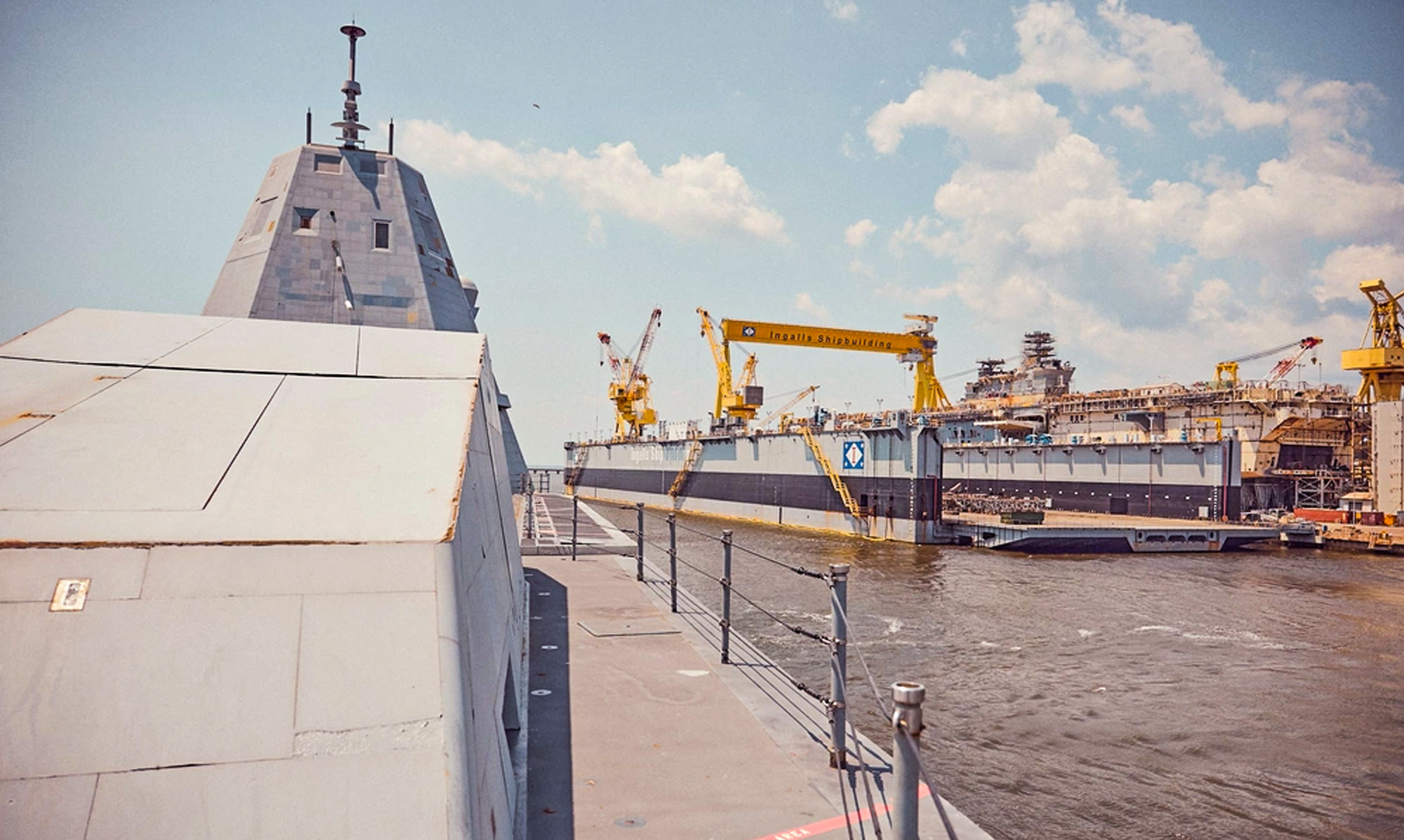
Maintenance timelines, production delays, and service-life limitations continue to limit availability. At the same time, global operational requirements have not eased. The result is a force that is consistently under pressure to meet demand with constrained capacity.

This unsustainable dynamic is visible across the fleet. Ship deployments are regularly extended, ships are rushed through preparations to deploy, and those undergoing maintenance take longer because of over-use, leaving limited flexibility to absorb additional demand.

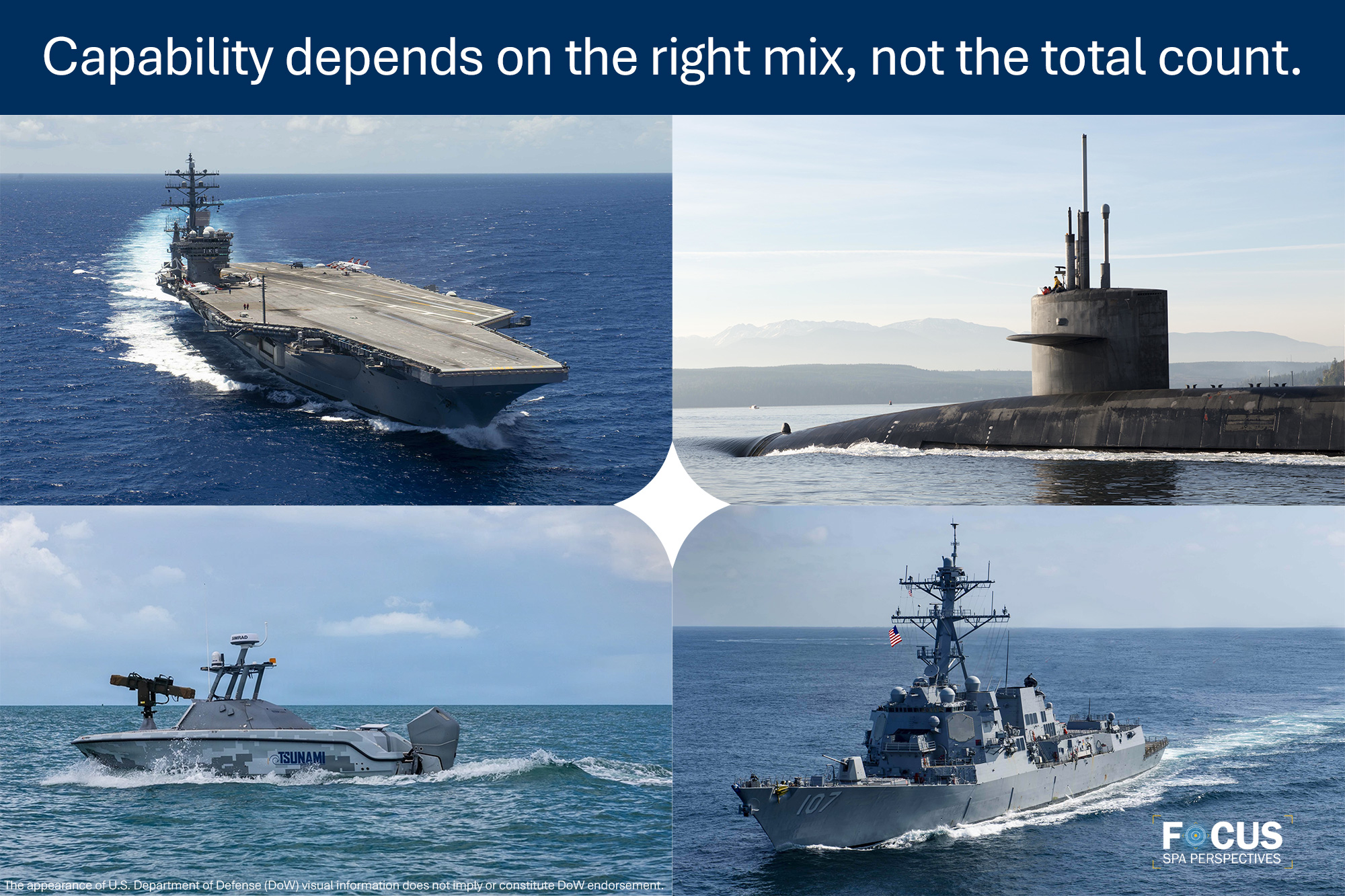
The composition of that force adds another layer of complexity. Different platforms serve distinct roles, and gaps in one area cannot be offset by excess capacity in another. Aggregate fleet size alone (total ship count) does not define capability.

Capability depends on the right mix, not the total count
The Role of Unmanned Systems

In the near term, unmanned systems are often viewed as a way to extend that capability. They offer a potential path to address some of the capacity gaps while manned ships take years longer to build and deliver. However, their role is not fully defined.

While attention is often placed on acquiring these systems, key questions remain around how they will be supported and employed. Basing, maintenance, and operational integration all influence how effective these systems will be in practice.

SPA branding element for a quotation, a yellow square with a midnight blue quotation mark
“If unmanned systems are key to the near term, we need a clear approach to how they are managed, integrated, and sustained.”

Trip Barber, SPA Chief Analyst

Without that clarity, there is a risk that capability will be introduced faster than it can be effectively used.

From Analysis to Decision-Making

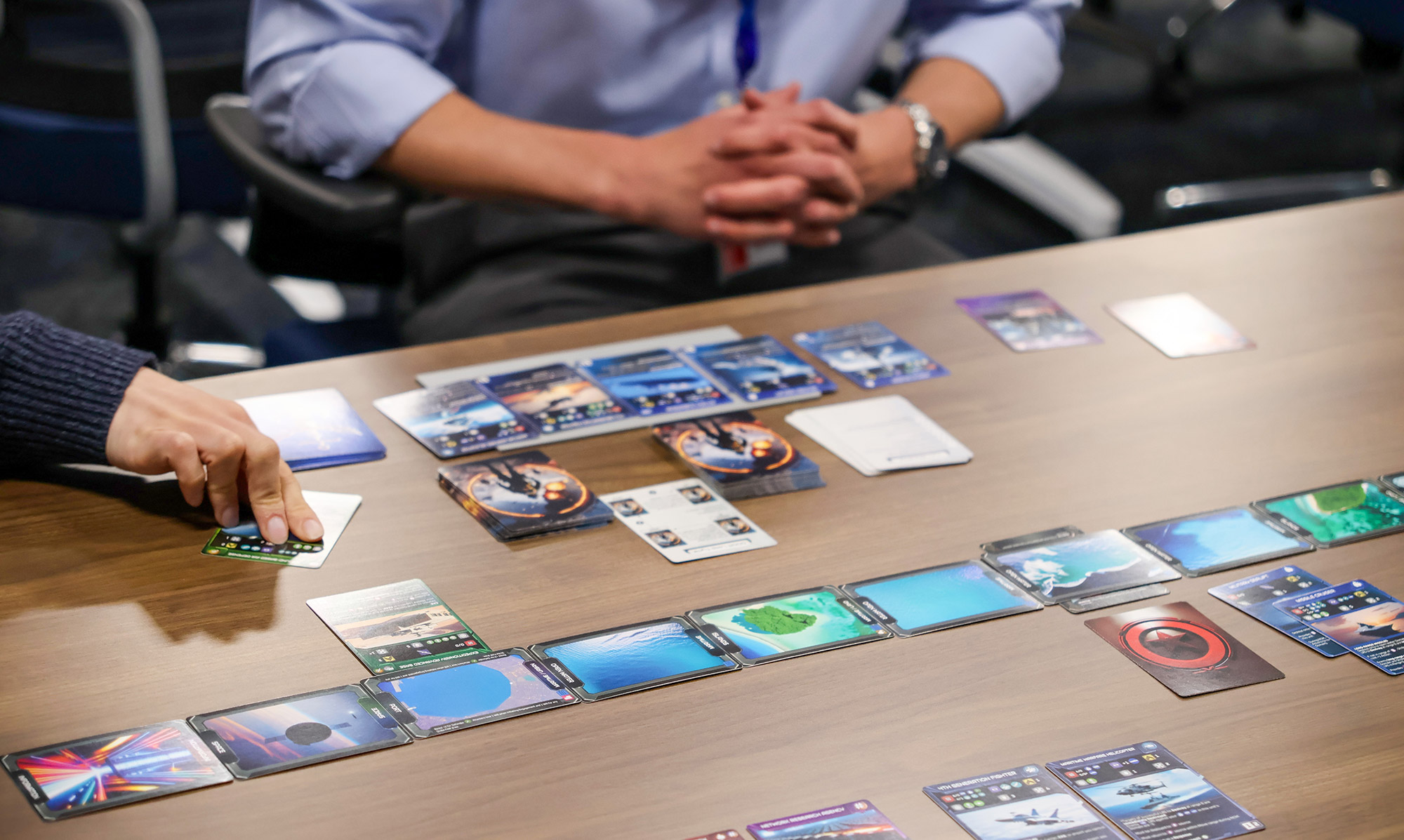
Another challenge is translating analysis into decisions. Significant effort has gone into assessing future force structure requirements, including the mix of manned and unmanned systems. But the threat, the budget, and the technology of warfare keep changing the answers faster than the industrial base can respond.

The force that is needed and the force that can be built and supported are not always aligned. Budget realities, production timelines, and changing priorities shape what is achievable.

These challenges are interconnected. Decisions about force employment affect readiness, while industrial capacity influences how quickly changes in design can be implemented.

The task is not simply to grow the force, but to align demand, capacity, and structure in a way that meets the nation’s strategic needs and can be sustained over time.

Explore how SPA approaches Strategic Analysis and Force Design to support critical defense decisions.

Subscribe to our newsletter

We respect your privacy.

[ Related Articles ]