Counter-UAS Training
for Evolving Threats
For Leaders, Planners, Intelligence Analysts, and Security Personnel
Scroll To Explore
Training Courses
Hands-on C-UAS training prepares leaders, planners, analysts, and security personnel to identify, assess, and counter evolving UAS threats. Courses combine threat analysis, site reconnaissance, counter-UAS technology instruction, incident response exercises, and Red Team techniques shaped by real-world operational environments. SPA helps organizations strengthen security operations, improve operational readiness, and make faster, more informed counter-UAS decisions.
Click each section to exand and learn more.
Counter-Drone Technology Master Class
For: Leadership, Planners, and Intelligence Analysts
Course Duration: 3 days
This course dives deeply into the technical specifications and usages of different C-UAS technologies. SPA Red Six continuously surveils more than 200 of the best counter-drone technologies on the global market. We maintain awareness of the worldwide use and effectiveness of these technologies, and we understand which systems perform best for which types of requirements.
Course Goal
Students are trained to understand the capabilities, strengths and weaknesses of counter drone technologies that are available today and in development for the future.
Learning Goals
Students will develop expertise on C-UAS technology. They will learn multiple methods of drone defeat and how to configure and use C-UAS systems most effectively. Students will be introduced to full C-UAS systems in-person, to understand their components and operation. Training will also include the factors to be considered when making acquisition recommendations and decisions.
- C-UAS Specifications. Training on all methodologies used to detect, track, and identify drones in the airspace.
- Defeat Differentiation. Training on the current and emerging capabilities for defeating drones with soft kill, non-kinetic hard kill, and kinetic hard kill options to include RF jamming, GPS disruption, net capture, physical interception, gun-fired ammunition, point-detonating and proximity rounds, high microwave, and lasers.
- C-UAS Usage Best Practices. Lessons learned from global battlefields and from hundreds of Red Six test flights about how C-UAS technology performance can be maximized.
- Hands-on Training with C-UAS. Red Six will provide an overview of various systems that could be considered for employment and conduct hands-on training with select technologies.
- Acquisition Decision Factors. Training on what factors to consider when selecting C-UAS technologies for use at any specific site, whether in an urban center, at an airport, in a mountain, on a coastline, etc.
Benefits for Trainees
- Gain a deep comprehension of the functions and technologies that comprise C-UAS systems.
- Learn to identify components of C-UAS by sight and understand their purpose.
- Develop familiarity with actual C-UAS systems and their operations.
- Make smarter, justifiable recommendations to leadership about which C-UAS technologies to purchase for various base environments.
This course can be combined with the following course in a five-day block, which is one day shorter than taking both courses separately.
Red Team Vulnerability Assessment Methodology
For: Planners and Intelligence Analysts
Course Duration: 3 days
This course teaches analysts the Red Six proprietary RTVA methodology. Using this methodology, analysts can forecast potential threats, narrow their expected targets and approach routes, assess ability to defend a site, and select appropriate technologies to use in defense.
This saves incredible amounts of time by eliminating the need for endless system demos, and it can save millions of dollars by preventing acquisition of systems that do not perform at your critical sites. It vastly increases the likelihood of successful defense by ensuring that the full threat profile of any critical site, permanent or temporary, is fully understood before defenses are selected or purchased.
Course Goal
Students are taught how to anticipate the actions of their adversaries before an incident occurs. Understanding when, where, and how a likely attack will take place allows officers to minimize any risk of attack by preparing defensive postures. This includes the selection, acquisition, training, and employment of the most effective drone defense technologies well in advance of an attack.
Learning Goals
- Immersive instruction in the Vulnerability Assessment Method, a Red Six proprietary process that identifies internal and external vulnerabilities to attack and how they affect plans, procedures, and operations
- How to adapt operations and training to address future unmanned challenges
- How to develop strategies for mitigating all vulnerabilities identified by the methodology
- How to use simulation to better understand the outcomes of strategic decisions
Benefits for Trainees
- Gain the ability to narrow down possible threat scenarios to only the most likely, saving significant time and vastly improving threat analysis for senior leaders.
- Master a new tool for identifying, analyzing, and finding solutions for vulnerabilities to drone attack.
- Learn to draft real-world courses of action for decision makers.
- Gain the ability to draft risk mitigation strategies for drone defense of critical sites.
Site Reconnaissance
For: Planners and Operational Personnel
Course Duration: 4-5 days
This hands-on course enables trainees to conduct vulnerability assessments of high-value targets and critical infrastructure. The training is comprehensive and will prepare them to make smart decisions about the scope and type of counter-drone systems that are necessary for base protection.
Course Goal
Students will learn how to “think like the enemy” and determine how adversarial forces could use UAS to target critical infrastructure.
Learning Goals
Students will learn to conduct the following studies:
- Electromagnetic Surveys: Training enables officers to understand the radio frequency environment from both the friendly and threat perspectives. Topics include identifying the environmental noise floor, spectrum crowding, modeling maximum effective range of common threats, and identifying possible electromagnetic compatibility issues impacting C-UAS system performance.
- Operational Environmental Study: Training on the impact of natural and human geography of protected sites and how to present detailed analysis of the environmental characteristics that can either support or diminish effective counter-UAS operations.
- 360-degree Photographic Study: Training on how to use map, photo, and imagery products to examine high-risk areas and expected enemy launch sites to provide a detailed overlay of the probable attack surface of protected sites. This includes the use of 3D Models to analyze infiltration and exfiltration routes bad actors would use to conduct ISR and attack operations.
Benefits for Trainees
- Gain the analytical skills to accurately analyze the military, economic, and propaganda value an enemy sees in a target.
- Gain the practical skills to analyze the physical environment and the spectrum environment to refine potential enemy attack scenarios.
- After this course, students can describe for their leaders the most likely threat scenarios, which is extremely valuable to leaders who must decide which capabilities to acquire with constrained resources.
Red Team Best Practices
For: Planners and Intelligence Analysts
Course Duration: 3-5 days
Several standardized techniques have been used effectively for decades throughout the intelligence community, military, and business world. Red Six gathers all the best of these into one curriculum. These include Alternative Perspectives Analysis, Critical Thinking Analysis, and Key Assumptions Checks.
This training teaches only the most useful red teaming tools and then trains analysts how to apply these processes properly. This training results in far more realistic predictive analysis of future threats. This analysis allows military planners to draft operational and contingency plans for the most likely and most realistic future scenarios. This saves planners significant amounts of time and is extremely valuable to senior officers who must make decisions about operations and resources.
Course Goal
This course teaches students the Red Team Best Practices employed for decades throughout the intelligence community, military, and business world. Students will gain a practical understanding of how and when to apply the various processes to derive the most realistic and strategic insights to inform senior leaders’ policy decisions.
Learning Goals
Students will learn to conduct the following studies:
- How to “think like the enemy” and analyze how adversaries perceive situations and opportunities
- Learn to determine how enemies strategize against your national or other important assets
- Learn to assess third party actions (such as the United Nations, World Health Organization, and other international parties) and reactions to defense scenarios and national security policy decisions
- Learn to weigh deterrence options and response options against state, non-state, proxy, criminal, and terrorist threats
- How to form courses of action to respond to natural and manmade crises that affect national security.
- How to evaluate national defense acquisition options against emerging threats such as unmanned systems, ballistic missiles, and artificial intelligence
Benefits for Trainees
- Red Team exercises allow analysts to simulate the decisions of key actors like enemies, partners, multinational organizations, non-state actors and others based on an understanding of their strategic objectives, interests, and historic mindsets. This understanding leads to superior analysis and recommendations for leadership.
- Red Teaming is applicable to almost every problem set in national security. Analysts will be able to apply these skills to future portfolios.
- Through the process, teams develop consensus on the best actions to take, reducing individual analytic biases.
- The use of realistic scenarios improves analytic outcomes.
Threat Evolution and Trend Analysis
For: Planners and Intelligence Analysts
Course Duration: 2 days
The evolution of drone warfare is fast-paced and constantly adapting to the operating environment. Just a single event can indicate the start of a new trend in tactics and/or technologies. This course focuses on Red Six’s drone warfare analytic process. Participants learn how to identify developments by enemy actors, including:
- Enemy UAS engineering innovations
- Enemy UAS model modifications
- Enemy UAS close-cloning efforts
- Changes in enemy UAS component sourcing (supply chain)
- Changes in enemy UAS tactics
Identifying these enemy developments is critical to the protection of personnel and facilities.
Course Goal
The purpose of this course is to train analysts and planners to keep up with the constant evolution of drone warfare, both in technologies and tactics. The field of unmanned warfare changes so quickly and continually that knowledge gained previously is now obsolete; therefore, analysts need to be able to detect changes that will occur on the battlefield through analysis of other sources such as developments in commercial-off-the-shelf technology, patterns on battlefields elsewhere in the world, and new partnerships enemies forge.
Learning Goals
Students will learn to conduct the following studies:
- Learn how to predict future alterations in enemy drone design
- Learn the signs and indicators of coming developments in how drones will be built and used on global battlefields
- Get up-to-the-minute detail on the latest unmanned capabilities of adversaries and what capabilities they are most likely working toward
- Learn to interpret advancements in other fields and their applications to drone design
- Learn to assess the impact adversaries’ foreign policies and partnerships have on their unmanned capabilities
Benefits for Trainees
- Analysts gain experience in indicator tracking, trend analysis, and projection. These skills can be applied to multiple portfolios even beyond the unmanned domain.
- Analysts learn to incorporate multiple and different types of information to create an informed prediction.
- Analysts can see what is coming on the drone battlefield before it arrives, which improves decision making and planning.
Drone Incident Response
For: Operational Personnel
Course Duration: 5 days
When a drone lands or crashes, it poses a threat to the surrounding area. It may carry an explosive or a toxin. It may still transmit imagery or location data to the enemy. It is important for security personnel to have the professional skills to handle this situation.
This course prepares personnel responsible for physical base security, like first responders and military police, to react to drones that land or fall from the air on or near critical infrastructure or among populations.
Learning Goals
Students will be trained on the following topics. The first section and last section build required knowledge. The second and third sections build hands-on skills.
- Section 1 – Threat Overview: Red Six will provide a complete overview of UAS; how they operate; how threats will likely employ them to exploit high-value assets; local and regional threat groups; and how to build an effective counter-drone strategy.
- Section 2 – Safe Approach and Handling: Training on the safest and most effective techniques for approaching and handling UAS on the ground to protect people and property and deny enemy collection, and how to preserve evidence for analysis and exploitation.
- Section 3 – Forensic Exploitation: Hands-on training of forensic techniques officers need to preserve, exploit, and disseminate valuable information from recovered UAS, which could lead to valuable insights on the source of the threat, launch points, training locations, flight profiles, and potential future enemy activities.
- Section 4 – Counter UAS Systems and Best Practices: Training on the foundational knowledge required to understand UAS modalities (radio frequency scanners/jammers, radars, acoustic sensors, etc.) and counter-drone (C-UAS) technologies and techniques. This training is necessary to ensure officers can use C-UAS platforms effectively.
- Understand every stage of the tactical drone warfare cycle, from the scope of UAS threats, to methods for defeating these threats in the air, to hands-on handling of these threats on the ground.
- Gain skills necessary to gather evidence from enemy drones on the ground.
- Practice US government methods for disabling enemy drones on the ground.
Training Courses to Prepare, Analyze, and Respond
Hands-on C-UAS training prepares leaders, planners, analysts, and security personnel to identify, assess, and counter evolving UAS threats. Our courses cover threat analysis, site reconnaissance, counter-UAS technologies, incident response exercises, and Red Team techniques shaped by real-world operational environments.
SPA helps organizations strengthen security operations, improve operational readiness, and make faster, more informed counter-UAS decisions. Courses offered at our Red Six Mission Assurance Center in the Washington, DC, area, or we can bring our courses to you.
We also tailor our courses to meet the needs of your organization. Whether you operate in defense, law enforcement, intelligence, or the commercial sector, we provide relevant, mission-focused training designed for your team.
Click on the links below to learn more about the goals and benefits for each class.
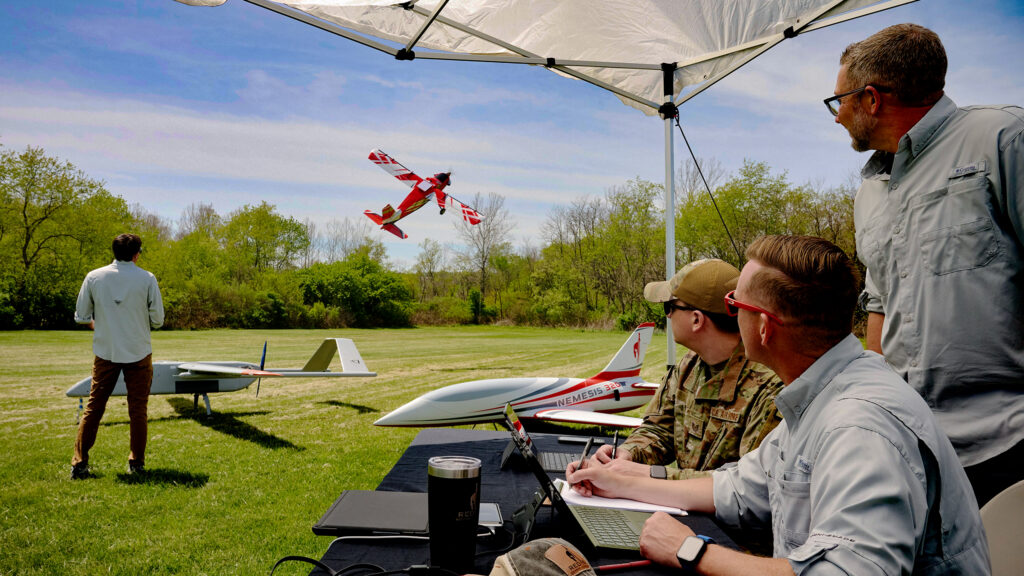
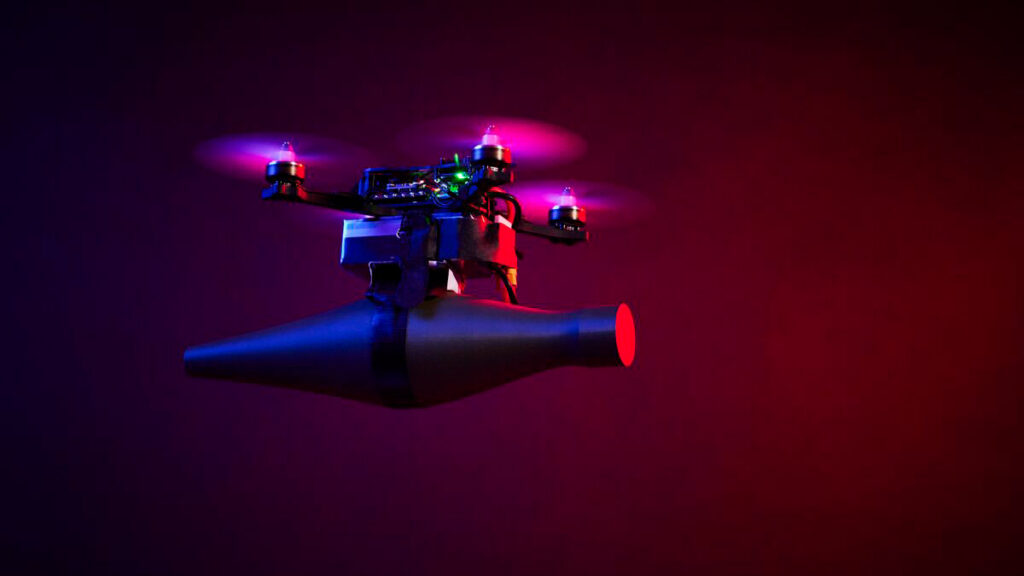
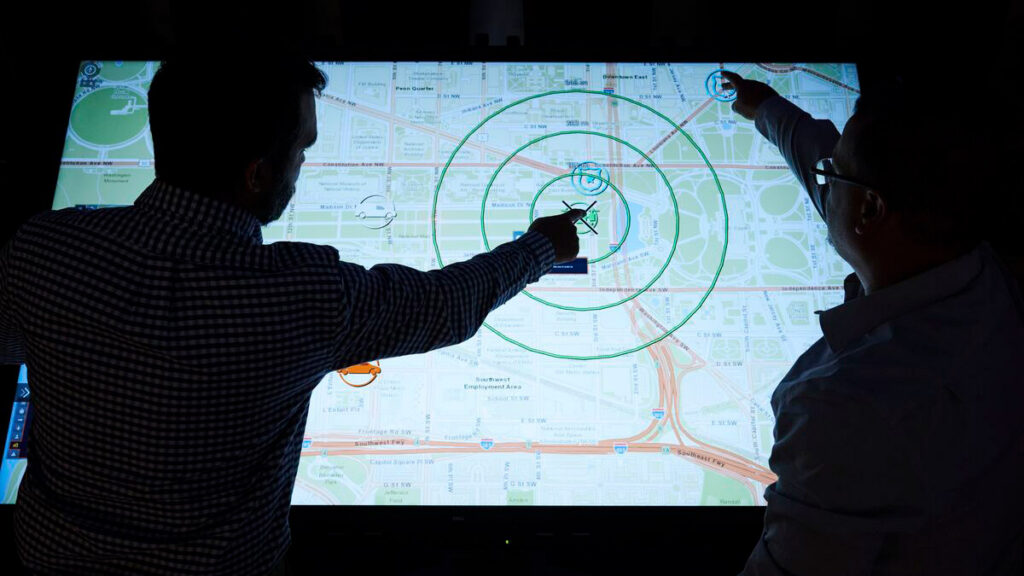
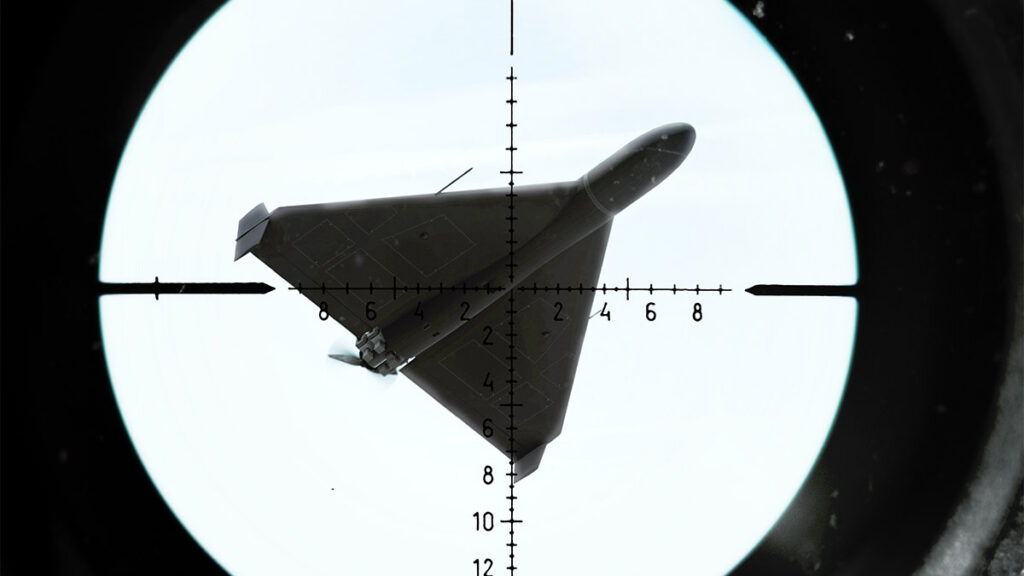




Counter-Drone Technology Master Class
For: Leadership, Planners, and Intelligence Analysts
Course Duration: 3 days
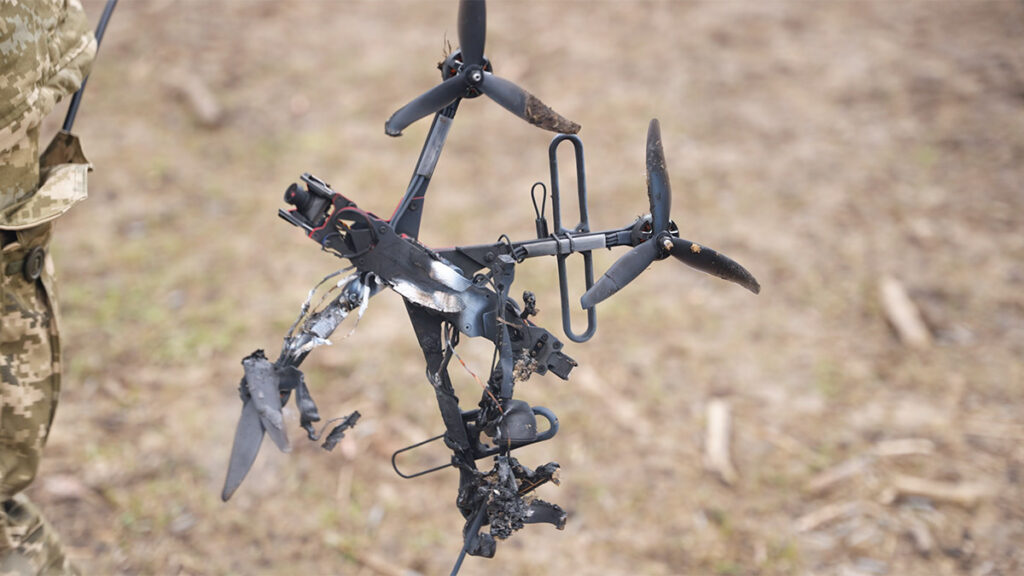
This course dives deeply into the technical specifications and uses of different C-UAS technologies. SPA Red Six continuously surveils more than 200 of the best counter-drone technologies on the global market. We maintain awareness of the worldwide use and effectiveness of these technologies, and we understand which systems perform best for which types of requirements.
Course Goal
Students are trained to understand the capabilities, strengths, and weaknesses of counter-drone technologies that are available today and in development for the future.
Learning Goals
Students will develop expertise on C-UAS technology. They will learn multiple methods of drone defeat and how to configure and use C-UAS systems most effectively. Students will be introduced to full C-UAS systems in-person to understand their components and operation. Training will also include the factors to be considered when making acquisition recommendations and decisions.
- C-UAS Specifications. Training on all methodologies used to detect, track, and identify drones in the airspace.
- Defeat Differentiation. Training on the current and emerging capabilities for defeating drones with soft kill, non-kinetic hard kill, and kinetic hard kill options to include RF jamming, GPS disruption, net capture, physical interception, gun-fired ammunition, point-detonating and proximity rounds, high microwave, and lasers.
- C-UAS Usage Best Practices. Lessons learned from global battlefields and from hundreds of Red Six test flights about how C-UAS technology performance can be maximized.
- Hands-on Training with C-UAS. Red Six will provide an overview of various systems that could be considered for employment and conduct hands-on training with select technologies.
- Acquisition Decision Factors. Training on what factors to consider when selecting C-UAS technologies for use at any specific site, whether in an urban center, at an airport, in a mountain, on a coastline, etc.
Benefits for Trainees
- Gain a deep comprehension of the functions and technologies that comprise C-UAS systems.
- Learn to identify components of C-UAS by sight and understand their purpose.
- Develop familiarity with actual C-UAS systems and their operations.
- Make smarter, justifiable recommendations to leadership about which C-UAS technologies to purchase for various base environments.
This course can be combined with the following course in a five-day block, which is one day shorter than taking both courses separately.
Red Team Vulnerability Assessment Methodology
For: Planners and Intelligence Analysts
Course Duration: 3 days
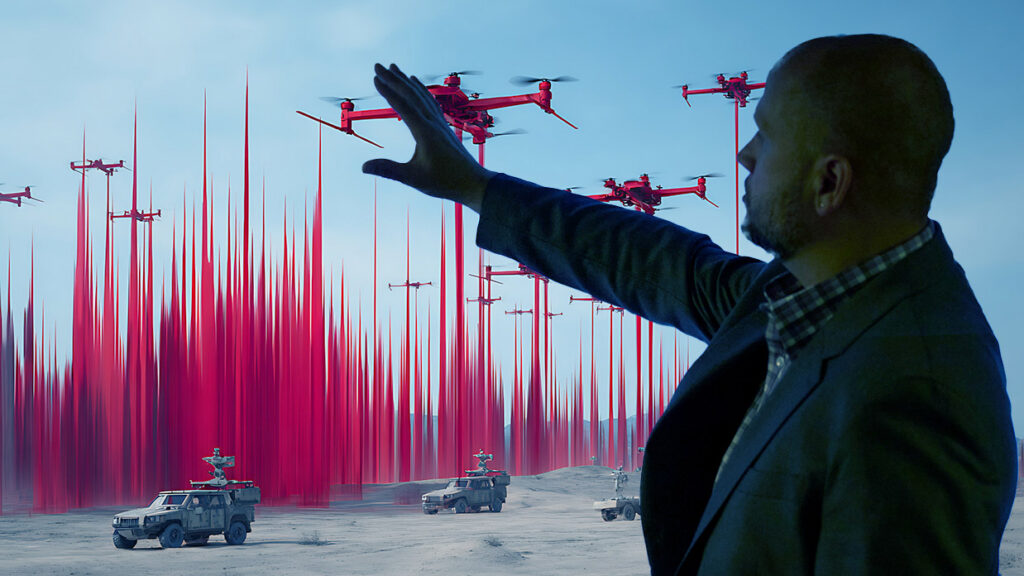
This course teaches analysts the Red Six proprietary RTVA methodology. Using this methodology, analysts can forecast potential threats, narrow their expected targets and approach routes, assess ability to defend a site, and select appropriate technologies to use in defense.
This saves incredible amounts of time by eliminating the need for endless system demos, and it can save millions of dollars by preventing acquisition of systems that do not perform at your critical sites. It vastly increases the likelihood of successful defense by ensuring that the full threat profile of any critical site, permanent or temporary, is fully understood before defenses are selected or purchased.
Course Goal
Students are taught how to anticipate the actions of their adversaries before an incident occurs. Understanding when, where, and how a likely attack will take place allows officers to minimize any risk of attack by preparing defensive postures. This includes the selection, acquisition, training, and employment of the most effective drone defense technologies well in advance of an attack.
Learning Goals
- Immersive instruction in the Red Team Vulnerability Assessment Method, a Red Six proprietary process that identifies internal and external vulnerabilities to attack and how they affect plans, procedures, and operations
- How to adapt operations and training to address future unmanned challenges
- How to develop strategies for mitigating all vulnerabilities identified by the methodology
- How to use simulation to better understand the outcomes of strategic decisions
Benefits for Trainees
- Gain the ability to narrow down possible threat scenarios to only the most likely, saving significant time and vastly improving threat analysis for senior leaders.
- Master a new tool for identifying, analyzing, and finding solutions for vulnerabilities to drone attack.
- Learn to draft real-world courses of action for decision makers.
- Gain the ability to draft risk mitigation strategies for drone defense of critical sites.
Site Reconnaissance
For: Planners and Operational Personnel
Course Duration: 4-5 days
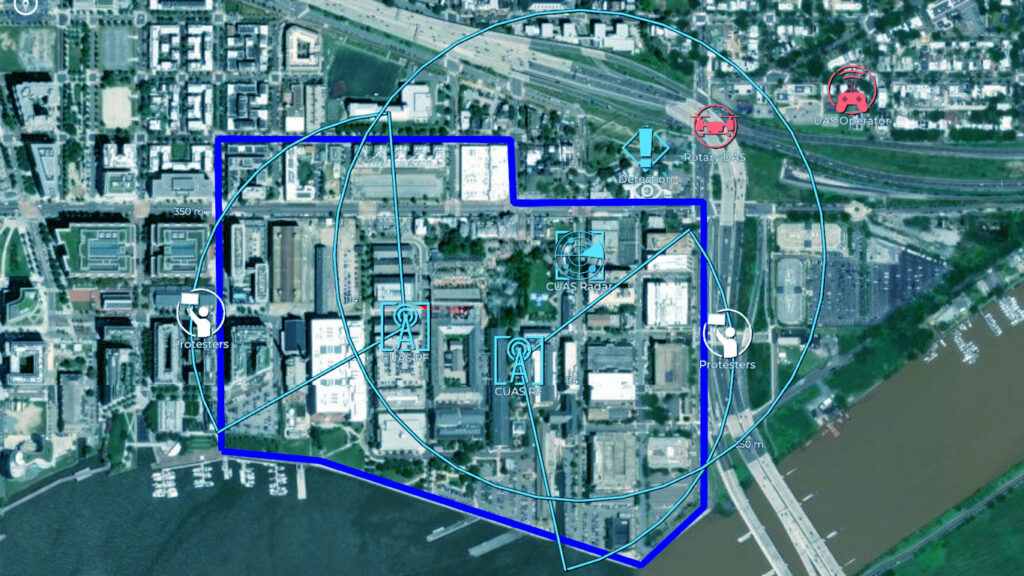
This hands-on course enables trainees to conduct vulnerability assessments of high-value targets and critical infrastructure. The training is comprehensive and will prepare them to make smart decisions about the scope and type of counter-drone systems that are necessary for base protection.
Course Goal
Students will learn how to “think like the enemy” and determine how adversarial forces could use UAS to target critical infrastructure.
Learning Goals
Students will learn to conduct the following studies:
- Electromagnetic Surveys: Training enables officers to understand the radio frequency environment from both the friendly and threat perspectives. Topics include identifying the environmental noise floor, spectrum crowding, modeling maximum effective range of common threats, and identifying possible electromagnetic compatibility issues impacting C-UAS system performance.
- Operational Environmental Study: Training on the impact of natural and human geography of protected sites and how to present detailed analysis of the environmental characteristics that can either support or diminish effective counter-UAS operations.
- 360-degree Photographic Study: Training on how to use map, photo, and imagery products to examine high-risk areas and expected enemy launch sites to provide a detailed overlay of the probable attack surface of protected sites. This includes the use of 3D Models to analyze infiltration and exfiltration routes bad actors would use to conduct ISR and attack operations.
Benefits for Trainees
- Gain the analytical skills to accurately analyze the military, economic, and propaganda value an enemy sees in a target.
- Gain the practical skills to analyze the physical environment and the spectrum environment to refine potential enemy attack scenarios.
- After this course, students can describe for their leaders the most likely threat scenarios, which is extremely valuable to leaders who must decide which capabilities to acquire with constrained resources.
Red Team Best Practices
For: Planners and Intelligence Analysts
Course Duration: 3-5 days
Several standardized techniques have been used effectively for decades throughout the intelligence community, military, and business world. Red Six gathers all the best of these into one curriculum. These include Alternative Perspectives Analysis, Critical Thinking Analysis, and Key Assumptions Checks.
This training teaches only the most useful red teaming tools and then trains analysts how to apply these processes properly. This training results in far more realistic predictive analysis of future threats. This analysis allows military planners to draft operational and contingency plans for the most likely and most realistic future scenarios. This saves planners significant amounts of time and is extremely valuable to senior officers who must make decisions about operations and resources.
Course Goal
Learning Goals
Students will learn to conduct the following studies:
- How to “think like the enemy” and analyze how adversaries perceive situations and opportunities
- Learn to determine how enemies strategize against your national or other important assets
- Learn to assess third-party actions (such as the United Nations, World Health Organization, and other international parties) and reactions to defense scenarios and national security policy decisions
- Learn to weigh deterrence options and response options against state, non-state, proxy, criminal, and terrorist threats
- How to form courses of action to respond to natural and manmade crises that affect national security.
- How to evaluate national defense acquisition options against emerging threats such as unmanned systems, ballistic missiles, and artificial intelligence
Benefits for Trainees
- Red Team exercises allow analysts to simulate the decisions of key actors like enemies, partners, multinational organizations, non-state actors and others based on an understanding of their strategic objectives, interests, and historic mindsets. This understanding leads to superior analysis and recommendations for leadership.
- Red Teaming is applicable to almost every problem set in national security. Analysts will be able to apply these skills to future portfolios.
- Through the process, teams develop consensus on the best actions to take, reducing individual analytic biases.
- The use of realistic scenarios improves analytic outcomes.
Threat Evolution and Trend Analysis
For: Planners and Intelligence Analysts
Course Duration: 2 days
The evolution of drone warfare is fast-paced and constantly adapting to the operating environment. Just a single event can indicate the start of a new trend in tactics and/or technologies. This course focuses on Red Six’s drone warfare analytic process. Participants learn how to identify developments by enemy actors, including:
- Enemy UAS engineering innovations
- Enemy UAS model modifications
- Enemy UAS close-cloning efforts
- Changes in enemy UAS component sourcing (supply chain)
- Changes in enemy UAS tactics
Identifying these enemy developments is critical to the protection of personnel and facilities.
Course Goal
The purpose of this course is to train analysts and planners to keep up with the constant evolution of drone warfare, both in technologies and tactics. The field of unmanned warfare changes so quickly and continually that knowledge gained previously is now obsolete; therefore, analysts need to be able to detect changes that will occur on the battlefield through analysis of other sources such as developments in commercial-off-the-shelf technology, patterns on battlefields elsewhere in the world, and new partnerships that enemies forge.
Learning Goals
Students will learn to conduct the following studies:
- Learn how to predict future alterations in enemy drone design
- Learn the signs and indicators of coming developments in how drones will be built and used on global battlefields
- Get up-to-the-minute detail on the latest unmanned capabilities of adversaries and what capabilities they are most likely working toward
- Learn to interpret advancements in other fields and their applications to drone design
- Learn to assess the impact adversaries’ foreign policies and partnerships have on their unmanned capabilities
Benefits for Trainees
- Analysts gain experience in indicator tracking, trend analysis, and projection. These skills can be applied to multiple portfolios even beyond the unmanned domain.
- Analysts learn to incorporate multiple and different types of information to create an informed prediction.
- Analysts can see what is coming on the drone battlefield before it arrives, which improves decision making and planning.
Drone Incident Response
For: Operational Personnel
Course Duration: 5 days
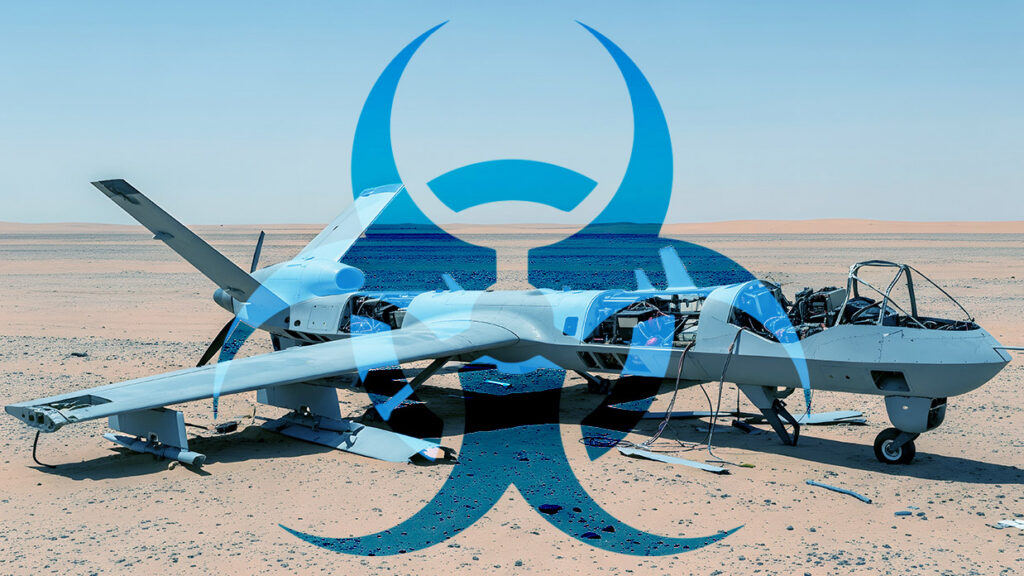
When a drone lands or crashes, it poses a threat to the surrounding area. It may carry an explosive or a toxin. It may still transmit imagery or location data to the enemy. It is important for security personnel to have the professional skills to handle this situation.
Course Goal
This course prepares personnel responsible for physical base security, like first responders and military police, to react to drones that land or fall from the air on or near critical infrastructure or among populations.
Learning Goals
Students will be trained on the following topics. The first section and last section build required knowledge. The second and third sections build hands-on skills.
- Section 1 – Threat Overview: Red Six will provide a complete overview of UAS; how they operate; how threats will likely employ them to exploit high-value assets; local and regional threat groups; and how to build an effective counter-drone strategy.
- Section 2 – Safe Approach and Handling: Training on the safest and most effective techniques for approaching and handling UAS on the ground to protect people and property and deny enemy collection, and how to preserve evidence for analysis and exploitation.
- Section 3 – Forensic Exploitation: Hands-on training of forensic techniques officers need to preserve, exploit, and disseminate valuable information from recovered UAS, which could lead to valuable insights on the source of the threat, launch points, training locations, flight profiles, and potential future enemy activities.
- Section 4 – Counter UAS Systems and Best Practices: Training on the foundational knowledge required to understand UAS modalities (radio frequency scanners/jammers, radars, acoustic sensors, etc.) and counter-drone (C-UAS) technologies and techniques. This training is necessary to ensure officers can use C-UAS platforms effectively.
Benefits for Trainees
- Understand every stage of the tactical drone warfare cycle, from the scope of UAS threats, to methods for defeating these threats in the air, to hands-on handling of these threats on the ground.
- Gain skills necessary to gather evidence from enemy drones on the ground.
- Practice US government methods for disabling enemy drones on the ground.
- Become knowledgeable of the latest technologies for defeating drones in the air, to improve coordination with air defense forces if an attack occurs.